Fuel is one of the largest operating expenses of an industrial asphalt mixing plant. Whether a contractor produces asphalt for highway construction, municipal road projects, airport paving, or commercial supply, burner fuel directly affects the cost of every ton of hot mix asphalt. Therefore, choosing the right fuel is not simply a matter of finding the lowest price per liter or ton. It requires a broader assessment of fuel consumption, heating efficiency, local availability, transportation costs, burner compatibility, and maintenance requirements.
Industrial asphalt plants commonly use diesel, heavy fuel oil (HFO), natural gas, liquefied petroleum gas (LPG), and other locally available fuels. Each option offers different advantages depending on plant capacity, production schedules, energy infrastructure, and operating conditions. For example, a contractor operating a mobile plant in a remote area may prioritize fuel availability, while a large stationary plant with continuous production may benefit more from a lower-cost bulk energy supply.
For contractors planning to invest in a bituminous hot mix plant, understanding these fuel differences is essential for estimating long-term operating expenses. So, which burner fuel is actually the most economical? The answer depends on the total cost of producing hot mix asphalt rather than the purchase price of fuel alone. This guide compares the main fuel options and explains how to make a practical decision based on production requirements and local market conditions.

1. What Determines The Actual Cost Of Asphalt Plant Burner Fuel?
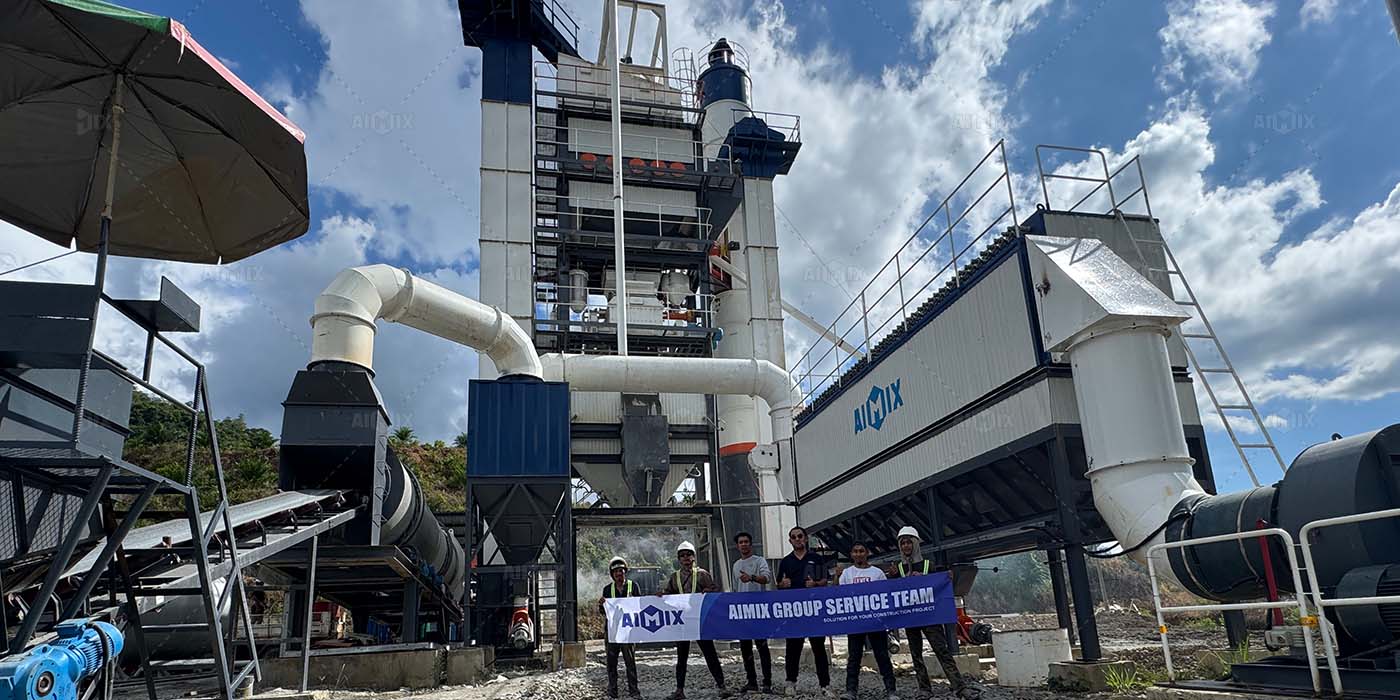
Before comparing different fuels, contractors need to understand how burner fuel contributes to asphalt production costs. The burner heats aggregates inside the rotary drying drum. It must remove moisture and raise the aggregate temperature to the required production level. Consequently, fuel consumption depends on both the energy required for heating and the efficiency of the entire drying system.
Two asphalt plants with the same rated capacity may consume different amounts of fuel per ton. Their actual performance depends on several operating conditions.
Aggregate Moisture Content
Moisture is one of the most important factors affecting burner consumption. Wet aggregates require additional energy because the burner must first evaporate the water before the material reaches the target temperature.
For example, an asphalt plant operating during the rainy season may consume significantly more fuel than the same plant operating with dry aggregates. This difference becomes particularly important in tropical regions, where frequent rainfall and uncovered aggregate stockpiles can increase moisture levels.
Therefore, improving stockpile drainage, covering aggregates, and separating wet materials can reduce fuel consumption without changing the burner or fuel type.
Production Temperature And Output
Higher aggregate temperatures generally require more energy. However, the required temperature depends on the asphalt mixture design, binder properties, and project specifications.
Contractors should not increase drying temperatures simply to improve production speed. Excessive heating wastes fuel and may damage asphalt binder properties. Instead, the plant should maintain a stable temperature that meets the project’s technical requirements.
Actual output also matters. A plant operating below its designed production capacity may have a higher fuel cost per ton because the drying system still consumes energy while producing fewer tons of material.
Burner Efficiency And Plant Condition
A well-adjusted burner delivers a stable flame and transfers heat efficiently to the aggregates. In contrast, poor atomization, incorrect air-to-fuel ratios, worn components, and improper burner adjustment can increase fuel consumption.
Other equipment conditions also influence energy performance, including:
- Rotary dryer insulation and heat loss.
- Drum flight condition and aggregate mixing performance.
- Exhaust gas temperature and dust collection system resistance.
- Combustion air supply and burner adjustment.
- Regular cleaning and maintenance of the drying system.
As a result, changing to a cheaper fuel will not automatically reduce production costs if the burner and drying system operate inefficiently.
2. Comparing The Most Common Burner Fuels For Asphalt Mixing Plants
After understanding the factors that influence fuel consumption, the next step is to compare the available energy sources. The most suitable choice depends on the relationship between fuel price, usable heat, combustion performance, and the infrastructure required to operate the plant.
Diesel: Flexible And Convenient For Different Projects
Diesel is one of the most widely used fuels in industrial asphalt plant burners. It offers relatively straightforward storage, transportation, and handling. Many standard burner configurations can operate with diesel, making it a practical choice for contractors who need a flexible fuel supply.
Its main advantage is operational convenience. Contractors can transport diesel to construction sites and store it in suitable tanks. This is particularly useful for mobile asphalt plants, temporary projects, and locations without natural gas infrastructure.
However, diesel prices can fluctuate significantly. In markets where diesel is expensive, its contribution to the cost per ton of asphalt may become substantial, especially during long production campaigns.
Diesel is generally worth considering when:
- The asphalt plant operates at a temporary or remote construction site.
- Local diesel supply is reliable and easily accessible.
- The contractor requires flexible fuel storage and transportation.
- Production volume does not justify investment in a more complex fuel supply system.
Its main limitation is that a convenient fuel supply does not necessarily mean the lowest long-term operating cost. Contractors comparing an asphalt plant sale should therefore evaluate the supplied burner configuration and fuel requirements alongside the initial equipment price.
Heavy Fuel Oil (HFO): Potential Savings For Large-Scale Production
Heavy fuel oil, also known as HFO, can be an economical option for asphalt plants with high and relatively stable production demand. In some markets, HFO offers a lower purchase price per unit of energy than diesel.
However, HFO is more viscous than diesel. It generally requires heating and suitable pumping equipment to maintain the correct flow characteristics. The fuel storage and delivery system must also support temperature control and filtration.
These additional requirements increase the initial investment and maintenance workload. Contractors must consider heating energy, tank insulation, fuel handling equipment, and burner compatibility when evaluating the total cost.
HFO may be suitable for:
- Large stationary asphalt mixing plants.
- Projects with long operating schedules and consistent production demand.
- Locations where heavy fuel oil is available at a competitive delivered price.
- Contractors with sufficient space and infrastructure for heated storage tanks.
For smaller or short-term projects, the additional equipment and installation costs may outweigh the fuel savings. Therefore, HFO should be evaluated as a complete fuel system rather than as a cheaper alternative to diesel alone.
Natural Gas: An Attractive Option Where Pipeline Supply Is Available
Natural gas can provide competitive operating costs for industrial asphalt plants when a reliable pipeline supply is available. It supports continuous combustion and eliminates the need for conventional liquid fuel storage at the plant.
Another advantage is its relatively clean combustion compared with many liquid and heavy fuel alternatives. It can also reduce certain fuel-handling and storage tasks.
Nevertheless, natural gas requires suitable pipeline connections, gas pressure regulation, safety devices, and a compatible burner system. Contractors must also consider connection fees, local gas tariffs, and possible supply interruptions.
Natural gas is particularly attractive when:
- The plant operates continuously throughout the year.
- A stable industrial gas supply is available near the site.
- Pipeline connection costs are reasonable.
- Local natural gas prices are competitive on an energy basis.
For remote projects without pipeline access, the infrastructure investment can make natural gas less practical, even when its fuel price appears attractive.
Liquefied Petroleum Gas (LPG): Clean Combustion With Flexible Storage
LPG is another option for industrial asphalt plant burners. It is stored as a liquid under pressure and converted into gas for combustion. Unlike pipeline natural gas, LPG can be delivered by road and stored in suitable pressure vessels.
This flexibility makes LPG useful for sites without natural gas pipelines. It also offers relatively clean combustion and can support stable burner operation when the system is correctly designed.
However, LPG prices vary by region and supply conditions. Contractors must account for bulk storage tanks, pressure regulation, safety systems, transportation, and applicable installation requirements.
LPG may be suitable for contractors who need gas-fired operation but cannot access a pipeline network. Its economic advantage depends heavily on the local delivered LPG price.
Other Locally Available Fuels
Some markets offer alternative industrial fuels, including fuel oils, biomass-derived fuels, or other approved energy sources. These options may provide savings under specific local conditions.
However, not every fuel can work directly with a standard asphalt plant burner. Alternative fuels may require special combustion technology, additional feeding equipment, fuel treatment, or emission-control measures.
Before selecting an alternative fuel, contractors should confirm its heating value, moisture content, combustion characteristics, supply consistency, and compatibility with the burner manufacturer’s specifications.
3. Which Fuel Is Cheapest When Calculated By Energy Content?
Comparing fuel prices by liter, kilogram, or cubic meter can lead to misleading conclusions. Different fuels contain different amounts of usable energy. Therefore, contractors should compare their costs using a common energy unit, such as US dollars per gigajoule (USD/GJ).
A practical calculation is:
Fuel Cost Per GJ = Delivered Fuel Price ÷ Usable Energy Content Per Unit Of Fuel
For example, diesel may cost less per liter than LPG costs per kilogram, but this does not automatically make diesel the cheaper energy source. The comparison must consider each fuel’s calorific value and actual combustion efficiency.
The following approximate reference values can help contractors understand the differences. Actual values vary according to fuel quality, composition, and supplier specifications.
- Diesel: Approximately 35–36 MJ per liter on a lower heating value basis.
- Heavy Fuel Oil: Approximately 39–41 MJ per kilogram.
- Natural Gas: Approximately 35–39 MJ per standard cubic meter.
- LPG: Approximately 46–50 MJ per kilogram.
These figures represent approximate fuel energy content, not the energy that the asphalt plant actually transfers to the aggregates. Real operating performance also depends on burner efficiency and dryer heat losses.
Calculate The Actual Fuel Cost Per Ton Of Asphalt
For purchasing decisions, fuel cost per ton is more useful than fuel price per energy unit alone. It connects energy consumption directly to the contractor’s production expenses.
Fuel Cost Per Ton = Fuel Consumption Per Ton × Delivered Fuel Price Per Unit
For example, assume an asphalt plant consumes 7 liters of diesel per ton of finished asphalt. If the delivered diesel price is USD 1.00 per liter, the direct fuel cost is USD 7.00 per ton.
If a compatible alternative fuel system reduces the equivalent energy cost by 15%, the theoretical fuel cost becomes USD 5.95 per ton, assuming the same production conditions and equivalent usable heat.
At 100,000 tons of annual production, this difference represents USD 105,000 in potential annual fuel savings.
However, this example is an illustrative calculation, not a guaranteed performance result. Actual savings depend on the fuel’s delivered price, heating value, burner efficiency, aggregate moisture, and plant operating conditions. Contractors should use measured consumption data from their own production records before making an investment decision.
4. Which Burner Fuel Is Most Economical For Different Asphalt Plant Capacities?
Fuel selection should also match the plant’s production scale. A fuel system that works well for a large stationary plant may not be financially suitable for a small mobile plant.
Therefore, contractors should evaluate annual production demand, project duration, and the availability of fuel infrastructure together.
Small Asphalt Plants: 20–60 TPH
Small asphalt plants often serve municipal road maintenance, rural road construction, regional contractors, and projects with changing production locations.
For these applications, diesel can be a practical choice because it offers flexible transportation and relatively simple storage. The contractor may not produce enough asphalt to justify the additional investment required for an HFO heating system or a permanent gas connection.
Nevertheless, if the plant operates at a fixed site with a reliable and competitively priced gas supply, LPG or natural gas may deserve consideration.
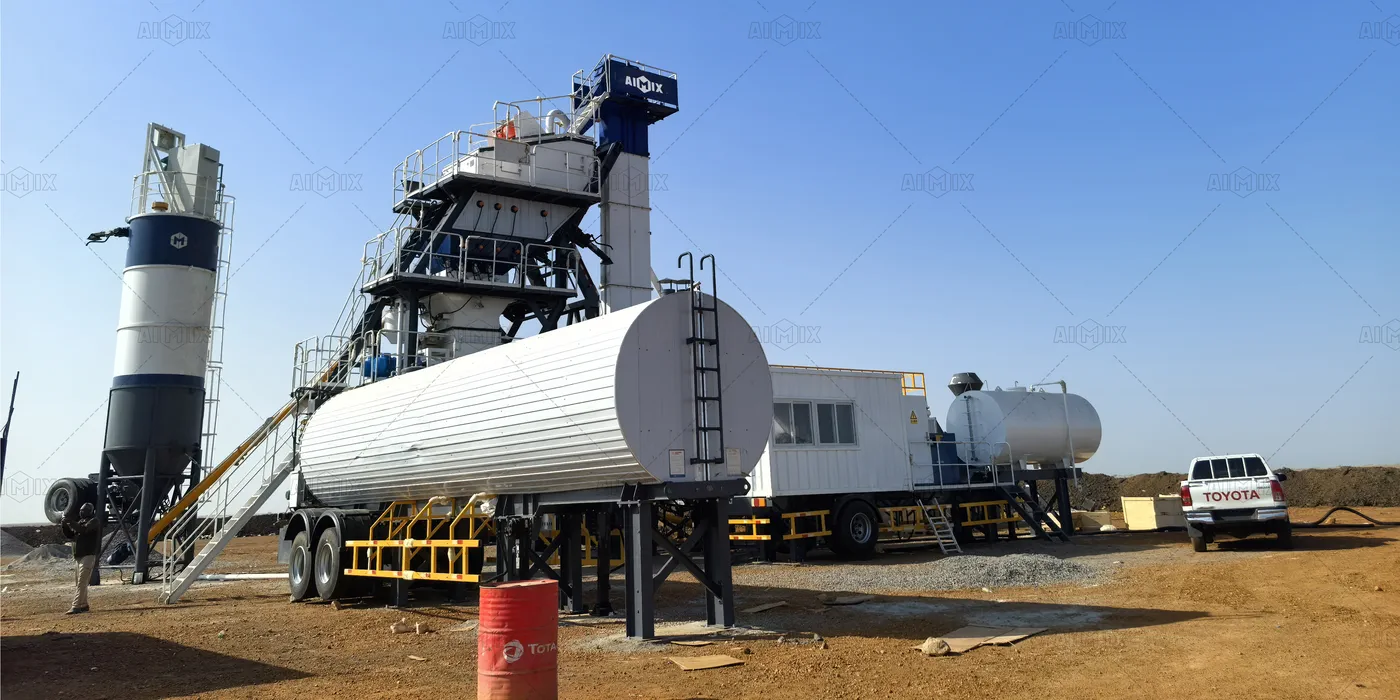
Contractors handling smaller road projects can also evaluate a small asphalt mixing plant for sale when their annual production demand does not justify a large-capacity installation. Matching plant capacity with actual project demand can help avoid unnecessary fuel consumption and equipment investment.
Medium Asphalt Plants: 80–120 TPH
Medium-capacity plants often support regional highway construction, commercial asphalt production, and municipal infrastructure projects.
At this production level, fuel consumption becomes a major operating expense. Even a small reduction in fuel cost per ton can generate meaningful annual savings when the plant operates for many months.
Contractors should compare diesel, HFO, and gas-based solutions based on their annual operating hours. For example, an HFO system may become attractive when the plant has stable production demand and the local price difference is large enough to recover the additional equipment investment.
However, a contractor with irregular project schedules may prefer a simpler diesel configuration to avoid unnecessary infrastructure costs.
Large Asphalt Plants: 160–320 TPH And Above
Large asphalt plants often support major highways, airport construction, large-scale road rehabilitation, and commercial asphalt supply.
At this scale, annual fuel consumption can be substantial. Therefore, a small difference in energy cost per ton can have a significant impact on total operating expenses.
Natural gas may be competitive where industrial pipeline infrastructure is available. HFO can also be attractive where its delivered price is sufficiently lower than diesel and the plant can support heated fuel storage and handling.
For large projects with long operating periods, a permanent asphalt mixing plant may provide a suitable production solution. Contractors should calculate the payback period of alternative fuel systems rather than selecting a burner based only on its purchase price.
5. How To Choose The Most Economical Burner Fuel For Your Project
After comparing fuel characteristics and production capacities, contractors can narrow down their options through a practical selection process. The objective is to find the lowest sustainable operating cost without compromising production reliability, safety, or asphalt quality.
Step 1: Check Local Fuel Prices And Supply Stability
Start by collecting actual delivered fuel prices from local suppliers. Do not rely only on published market prices because transportation, taxes, storage, and delivery conditions can change the final cost.
For contractors operating in Indonesia, for example, fuel availability may differ between Java, Sumatra, Kalimantan, Sulawesi, and more remote islands. A fuel that appears economical in Jakarta may have a different delivered cost at a construction site in eastern Indonesia.
Also, check whether suppliers can provide sufficient quantities throughout the production period. A low-cost fuel is not a good choice if irregular deliveries repeatedly stop asphalt production.
Step 2: Estimate Annual Fuel Consumption
Calculate the plant’s expected annual production and fuel consumption per ton. This provides a realistic estimate of the total energy budget.
For example, a plant producing 100 tons per hour for 8 hours per day over 200 operating days would produce 160,000 tons annually at full rated output.
Actual production may be lower because of maintenance, weather, material supply, and project scheduling. Therefore, contractors should use realistic operating hours rather than assuming continuous operation at maximum capacity.
Step 3: Evaluate Burner Compatibility
Not every burner supports every fuel. Some burners are designed for diesel, while others can operate with natural gas, LPG, HFO, or multiple fuel types.
Before purchasing a burner or changing the fuel system, confirm the following:
- Whether the burner supports the intended fuel.
- Whether the burner can provide the required thermal output.
- Whether fuel pumps, nozzles, valves, and control systems require modification.
- Whether additional storage, heating, or gas regulation equipment is necessary.
- Whether the burner can maintain stable combustion under different production loads.
These checks help prevent compatibility problems and unexpected installation costs.
Step 4: Compare Total Cost Of Ownership
The most economical fuel is not always the one with the lowest purchase price. Contractors should include all relevant expenses in their calculation.
- Fuel purchase and transportation costs.
- Fuel storage tanks and supporting infrastructure.
- Burner purchase, conversion, and installation costs.
- Fuel heating, pumping, and handling expenses.
- Routine maintenance and replacement components.
- Safety equipment and regulatory compliance.
- Potential production losses caused by supply interruptions.
By comparing these expenses over the expected project or equipment service life, contractors can identify the fuel option with the lowest overall operating cost.
6. How Can Contractors Reduce Asphalt Plant Fuel Consumption?
Fuel selection is only one part of an effective energy-saving strategy. In many cases, improving plant operation can reduce fuel consumption without requiring a major burner replacement.
Control Aggregate Moisture Before Drying
Keep aggregate stockpiles on properly drained ground. Use separate storage areas for different materials and cover stockpiles where practical. These measures help reduce unnecessary water evaporation inside the dryer.
Maintain The Correct Air-To-Fuel Ratio
A burner needs the correct balance between combustion air and fuel. Too much excess air can carry additional heat out through the exhaust system. Insufficient air can cause incomplete combustion and unstable operation.
Regular burner tuning helps maintain efficient combustion. Contractors should follow the manufacturer’s instructions and use appropriate combustion monitoring equipment.
Inspect The Dryer And Dust Collection System
Damaged insulation, worn dryer flights, air leakage, and excessive exhaust temperatures can increase energy losses. Regular inspections help identify these problems before they create significant operating expenses.
In addition, the dust collection system must operate within its intended conditions. Incorrect airflow and excessive system resistance can affect the drying process and overall plant performance.
Match Production Output With Actual Demand
Running an asphalt plant far below its efficient operating range can increase energy consumption per ton. Contractors should coordinate aggregate supply, truck availability, paving schedules, and plant output to reduce unnecessary idle time.
For long-term projects, a realistic production schedule can improve both fuel efficiency and equipment utilization.
7. Frequently Asked Questions About Asphalt Plant Burner Fuel
Before making a final purchasing decision, contractors often have several practical questions about fuel compatibility, operating costs, and burner performance. The following answers address common concerns.
Which Fuel Has The Lowest Operating Cost For An Asphalt Mixing Plant?
There is no universally cheapest fuel. Natural gas and HFO may offer lower energy costs in certain markets, while diesel can be more economical when transportation flexibility and low infrastructure investment matter. Contractors should compare delivered energy costs and actual fuel consumption per ton.
Is Diesel Or Heavy Fuel Oil Better For An Asphalt Plant?
Diesel is easier to handle and suits mobile or temporary projects. HFO may reduce fuel expenses for large plants with stable production, but it requires heated storage and compatible fuel-handling equipment. The better option depends on local prices and annual production volume.
Can An Asphalt Plant Use Both Diesel And Natural Gas?
Some asphalt plant burners support dual-fuel operation. However, this capability depends on the burner design and configuration. Contractors should confirm whether the selected burner supports both fuels and whether additional control and safety equipment is required.
Does A Higher-Capacity Asphalt Plant Always Consume More Fuel?
A higher-capacity plant generally requires more total thermal energy when producing more asphalt. However, fuel consumption per ton does not necessarily increase with plant capacity. Actual efficiency depends on dryer design, aggregate moisture, burner performance, production rate, and operating conditions.
How Much Fuel Does An Asphalt Mixing Plant Consume Per Ton?
Fuel consumption varies significantly with aggregate moisture, ambient conditions, production temperature, fuel type, and dryer efficiency. Contractors should request fuel consumption data under clearly defined operating conditions and verify it against actual production records rather than relying on a single universal figure.
Can Changing The Burner Fuel Reduce Asphalt Production Costs?
Yes, if the alternative fuel has a lower delivered energy cost and the burner operates efficiently with that fuel. However, conversion expenses, storage infrastructure, maintenance, and supply reliability must also be included. A complete cost comparison is necessary before making the change.
8. Final Recommendation: Choose Fuel Based On Cost Per Ton, Not Just Fuel Price
For an industrial asphalt mixing plant, the most economical burner fuel is the one that delivers reliable heat at the lowest total cost per ton of finished asphalt. Diesel offers flexibility and convenience, HFO may provide savings for large-scale operations, natural gas can be competitive where pipeline infrastructure exists, and LPG offers a flexible alternative for sites without gas connections.
However, the right choice depends on several factors working together. Contractors need to evaluate local fuel prices, annual production volume, aggregate moisture, burner compatibility, installation costs, and long-term maintenance requirements. They should also consider whether the plant will operate at a fixed production site or move between construction projects.