When civil contractors and construction equipment importers in Latin America calculate project expenses, the sticker price of heavy machinery at the factory gate is only part of the financial equation. International logistics, port handling fees, and fluctuating maritime shipping charges play a decisive role in determining the total landed investment. For businesses seeking a competitive self-loading concrete mixer price(hormigonera autocargable precio), understanding how ocean freight rates ripple through international supply chains is essential. Shipping large industrial machinery across global trade routes involves complex calculations where maritime freight volatility can dramatically alter capital expenditure.
Importing specialized construction equipment from global manufacturing hubs to destination ports in South and Central America requires careful budgeting. Because heavy machinery takes up significant space and demands specialized containerized or flat-rack shipping, maritime freight tariffs directly influence the final cost incurred by the buyer. Analyzing these shipping variables helps project managers anticipate landed expenses, avoid unexpected port surcharges, and optimize purchasing schedules.
The Mechanics of Maritime Shipping for Heavy Machinery
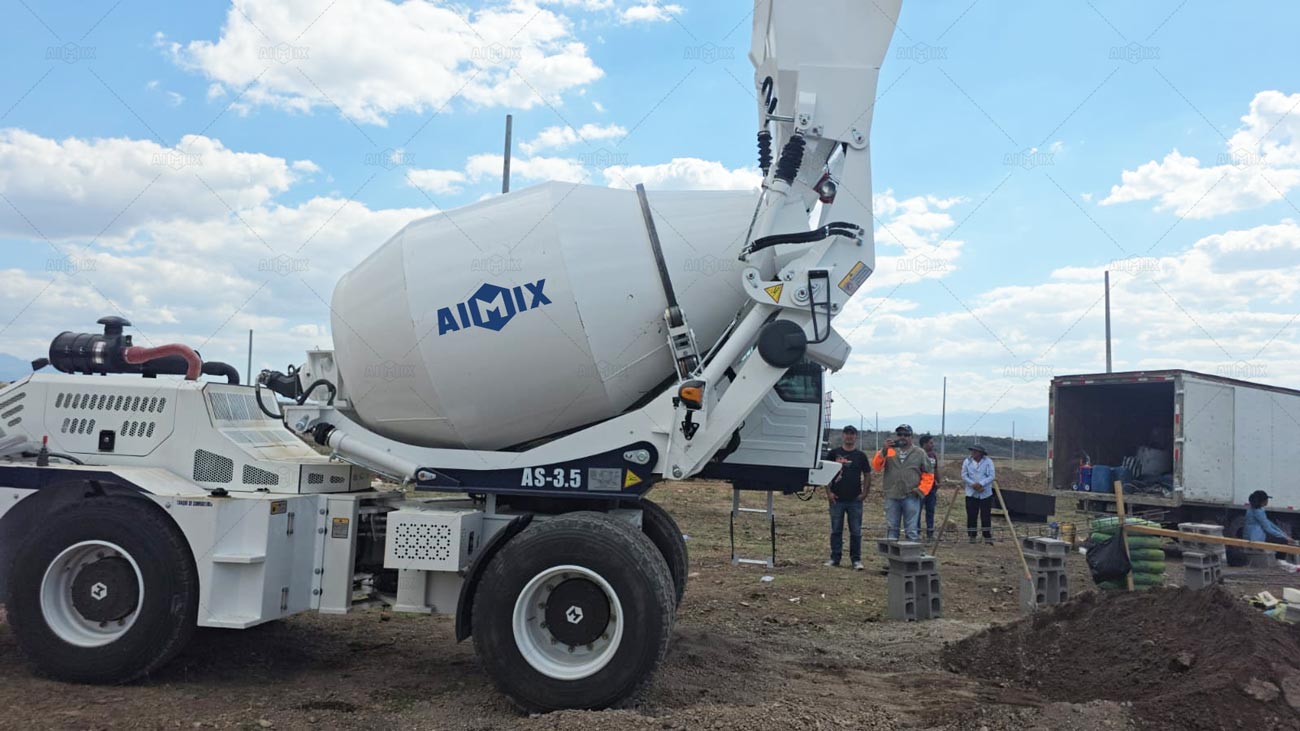
Ocean freight rates are governed by a complex matrix of global fuel prices, carrier capacity adjustments, seasonal trade imbalances, and port congestion. When importing equipment like a self-loading concrete mixer(autohormigonera), logistics planners must choose between various transport modes depending on machine dimensions, weight, and destination port infrastructure.
Containerized vs. Break-Bulk Shipping Methods
Depending on the model size, compact machinery units are often disassembled and loaded into standard high-cube shipping containers, whereas larger models require flat-rack or break-bulk shipping. Container shipping protects sensitive components from marine corrosion and port elements, but container slot availability and fluctuating spot market rates dictate base transport fees. When carriers implement general rate increases or bunker adjustment factors, the landed cost per unit rises proportionally.
The table below outlines common shipping modes and their operational impact on heavy machinery logistics:
| Shipping Method | Ideal Equipment Type | Freight Rate Sensitivity | Key Logistical Considerations |
|---|---|---|---|
| Full Container Load (FCL) | Disassembled compact machinery & parts | Moderate (tied to global container indices) | Requires local offloading and reassembly expertise |
| Flat-Rack / Open-Top | Fully assembled large chassis units | High (subject to deck space and crane availability) | Higher vulnerability to sea spray; specialized lashing required |
| Break-Bulk / RoRo | Oversized heavy industrial fleets | Variable (depends on vessel charter availability) | Direct roll-on capability; port congestion risks apply |
Impact on Landed Costs Across Latin American Ports
Latin American ports—ranging from San Antonio in Chile and Santos in Brazil to Callao in Peru and Manzanillo in Mexico—experience varying levels of import congestion and customs clearance overhead. Ocean freight quotes typically cover port-to-port movement, leaving terminal handling charges, inland drayage, customs duties, and local value-added taxes to be covered by the importer. When maritime freight rates spike due to international trade friction or carrier capacity cuts, the cumulative landed cost of a self-loading concrete mixer increases significantly, pressuring contractor profit margins.
Navigating Freight Volatility When Acquiring Advanced Equipment
Managing equipment procurement amidst volatile shipping markets requires strategic planning. Importers must look beyond base equipment quotations and incorporate comprehensive landed cost projections into their financial models.
Optimizing Equipment Selection and Logistics Planning
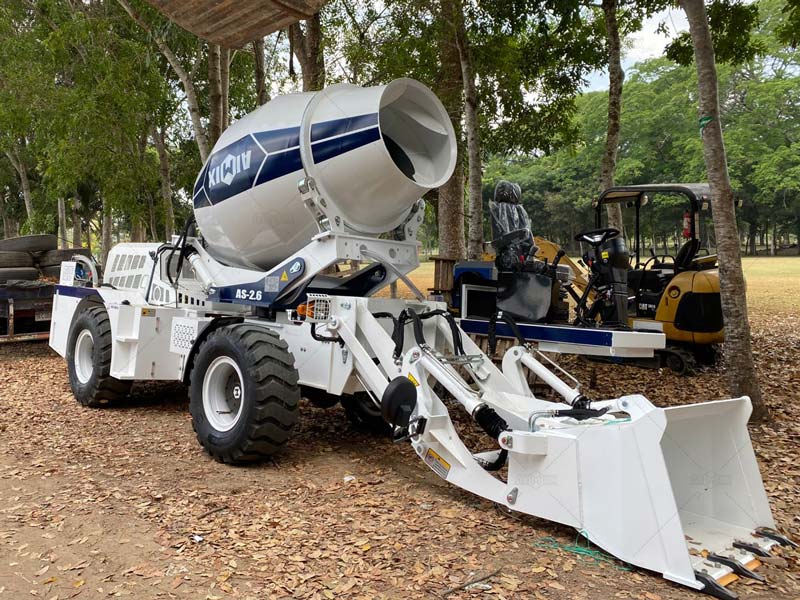
When investing in high-efficiency machinery, such as the AS-MK24 self-loading concrete mixer(AS-MK24 hormigonera autocargable), project managers must coordinate equipment delivery schedules well in advance of actual job site requirements. Securing long-term service contracts or booking container space during periods of market stability helps insulate construction firms from sudden freight rate surges.
Furthermore, technical preparedness is vital upon equipment arrival. Technicians should review the self-loading concrete mixer operation manual prior to port clearance to ensure smooth offloading, immediate assembly, and rapid deployment on job sites without incurring costly port demurrage or detention fees.
Key Strategies for Cost Mitigation
Construction companies can implement several tactical measures to mitigate the financial friction caused by fluctuating ocean freight rates:
- Consolidated Shipments: Combine machinery orders with spare parts, maintenance components, and secondary tools to maximize container volume efficiency and reduce per-unit shipping overhead.
- Forward Booking Agreements: Lock in fixed-rate freight contracts with experienced freight forwarders specializing in Latin American heavy equipment logistics.
- Alternative Port Routing: Evaluate secondary regional ports where customs clearance and terminal handling fees are lower than major congested commercial hubs.
- Comprehensive Technical Readiness: Study the self-loading concrete mixer operation manual beforehand to accelerate port turnaround times and eliminate storage penalties.
- Total Landed Cost Modeling: Factor in marine insurance, inland freight, and local tariffs alongside the base self-loading concrete mixer price to maintain strict budgetary control.
Long-Term Outlook for Construction Equipment Imports
The intersection of international maritime logistics and regional infrastructure development in Latin America underscores the importance of proactive supply chain management. While ocean freight rates will continue to experience cyclical fluctuations driven by global trade dynamics and environmental regulations, informed construction enterprises can successfully navigate these challenges. By understanding how shipping surcharges, port fees, and equipment dimensions influence total expenditures, buyers can protect their investments when acquiring a self-loading concrete mixer. Careful financial modeling, timely shipping coordination, and thorough preparation using the self-loading concrete mixer operation manual(manual de operación de autohormigonera) ensure that construction projects remain on budget and operational efficiency is maximized from port to pavement.