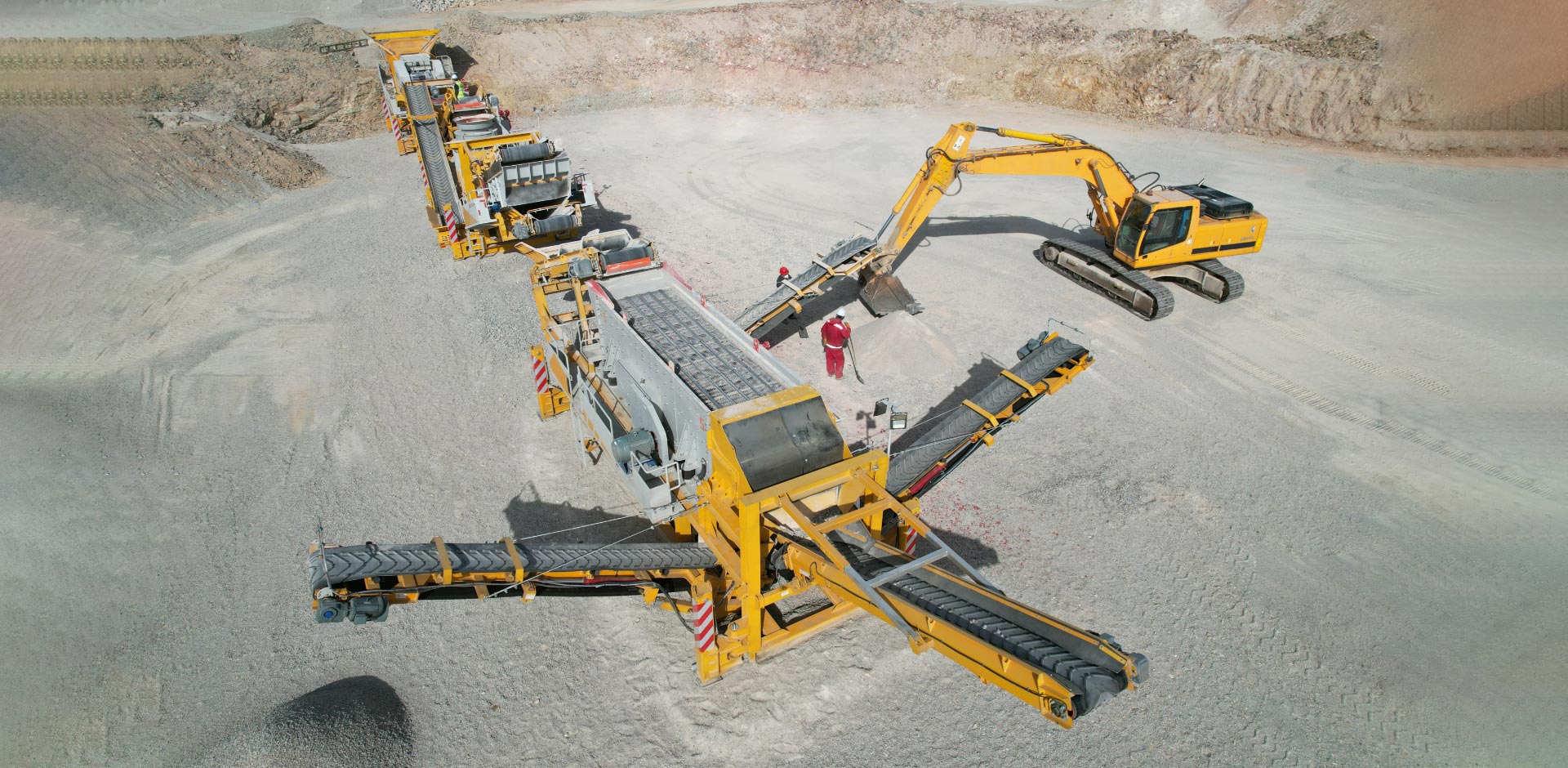
Designing a mobile stone crusher plant requires careful planning and understanding of production goals. Contractors in Chile and across Latin America are increasingly relying on mobile solutions to improve efficiency and flexibility. By designing a plant that matches production output requirements, companies can optimize costs, reduce downtime, and improve overall profitability. This article explores how to configure mobile stone crusher plants(trituradora móvil de piedra) effectively for different projects and material types.
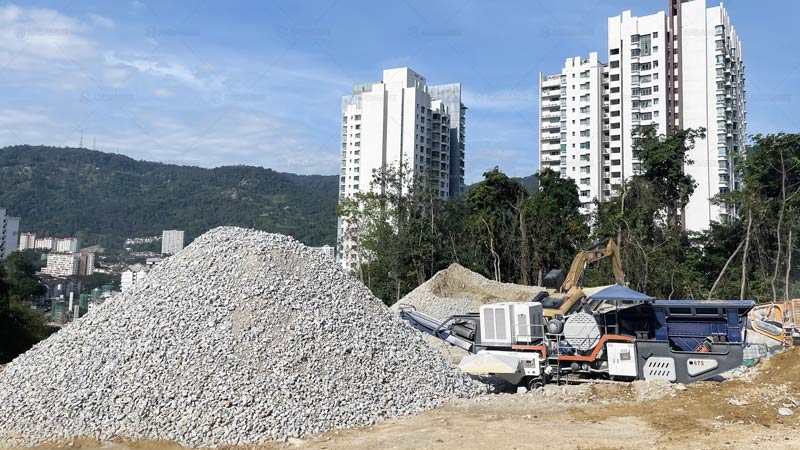
Understanding Mobile Stone Crusher Plants
A mobile stone crusher plant is a flexible crushing solution designed to handle different rock sizes and types. Unlike stationary plants, mobile systems can be relocated easily, allowing for on-site processing of materials. This flexibility is particularly useful for contractors working on multiple projects or in regions like Chile, where mining and construction sites can be widely dispersed.
Key Components of a Mobile Stone Crusher Plant
- Feeding system: Ensures continuous material input for the rock crusher and prevents interruptions in production.
- Primary crusher: Typically a jaw crusher that handles large rocks and reduces them to smaller sizes suitable for secondary processing.
- Secondary and tertiary crushers: Include cone crushers or impact crushers to achieve finer aggregate sizes and improve product quality.
- Screening system: Separates materials into various size fractions for specific applications, including sand, gravel, and coarse aggregates.
- Conveying system: Moves materials efficiently between crushing and screening stages, minimizing manual handling.
- Power system: Can be diesel or electric, depending on site accessibility and environmental regulations.
Advantages of Mobile Stone Crusher Plants
Mobile stone crusher plants offer several advantages over stationary setups:
- Flexibility to move between sites without complex installation.
- Reduced transportation costs for raw materials, as crushing occurs on-site.
- Quick setup and shorter project timelines, which is critical in fast-paced construction projects.
- Ability to produce customized aggregate sizes to meet client or regulatory requirements.
- Reduced environmental impact by minimizing material transport and dust generation.
Determining Production Output Requirements
Before designing a configuration, it is essential to define production goals. The desired output influences the choice of crusher type, the number of stages, and plant capacity. Without accurate calculations, the plant may underperform or cause unnecessary operational costs.
Assessing Material Properties
Understanding the hardness, abrasiveness, and moisture content of the rocks is crucial. For example, granite and basalt require more robust crushing solutions compared to softer stones. Moisture levels can affect the efficiency of screening and conveyor systems. Accurate knowledge of material properties ensures the right rock crusher selection for optimal performance and durability.
Calculating Required Plant Capacity
Plant capacity is typically measured in tons per hour. To determine the right configuration:
- Estimate the daily production requirement based on project needs.
- Factor in operational hours, potential downtime, and maintenance schedules.
- Select crushers that meet or exceed the required throughput while maintaining consistent quality.
For instance, a stone crusher plant Chile(planta chancadora de piedra Chile) project producing 250 tons per hour will need a robust primary crusher capable of handling large rocks, supplemented by a secondary system that maintains throughput without bottlenecks. Failure to match capacity can lead to delays and increased operational costs.
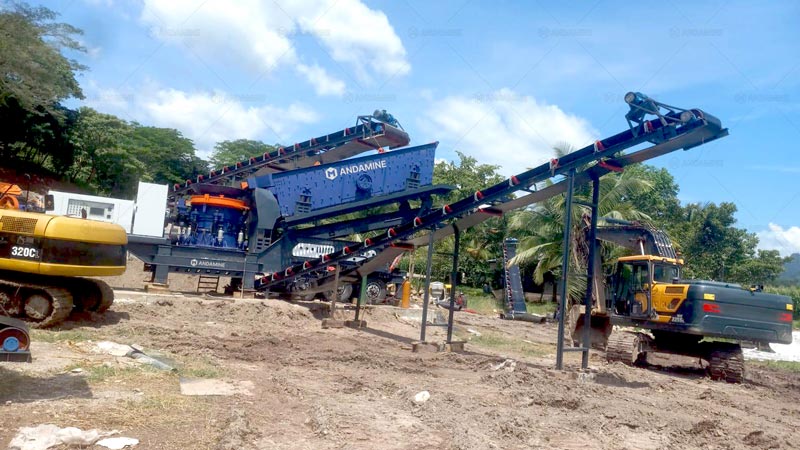
Designing the Mobile Stone Crusher Plant Configuration
Once output requirements are clear, the plant configuration can be planned. Mobile stone crusher plants often use a modular approach to adapt to different site conditions and project sizes.
Single-Stage vs. Multi-Stage Configurations
Single-stage crushing is suitable for smaller projects or softer rocks, where only one crusher is needed to achieve the target size. For harder rocks or higher output, multi-stage configurations are recommended:
- Primary crusher: Reduces large rocks to manageable sizes for further processing.
- Secondary crusher: Further crushes materials to fine aggregates.
- Tertiary crusher: Produces the final product with precise size distribution for use in an aggregate plant(una planta de agregados) or construction site.
Integrating Screening Systems
Screening is critical for separating crushed materials into various sizes. Vibrating screens, trommels, or mobile screening units are commonly used in mobile setups to ensure consistent product quality. Proper screening prevents over-crushing and reduces wear on the crushers, improving overall efficiency.
Conveyor and Mobility Considerations
Efficient conveyors reduce manual handling and improve production speed. The plant layout must allow easy movement on-site, especially when working with large rocks or rough terrain. Correct positioning of conveyors, crushers, and screens ensures smooth material flow from raw input to final aggregate plant output.
Optimizing Plant Performance
Designing for high performance involves careful monitoring, regular maintenance, and adaptability to changing project requirements.
Automation and Control Systems
Modern mobile stone crusher plants include control systems to monitor output, crusher performance, and material flow. Automation reduces human error, optimizes operational efficiency, and provides real-time data for production planning.
Regular Maintenance
Preventive maintenance of crushers, screens, and conveyors minimizes downtime and keeps production consistent. A well-maintained rock crusher(trituradora de rocas en buen estado) ensures the plant can handle high-demand projects without unexpected delays.
Flexibility for Future Projects
Designing modular and scalable configurations allows the plant to adapt to varying project sizes and materials. This flexibility is particularly valuable in Chile, where project requirements can change rapidly due to local infrastructure or mining conditions.
Final Thoughts on Mobile Stone Crusher Plant Design
Designing an effective mobile stone crusher plant requires balancing production output, material characteristics, and operational flexibility. By carefully selecting crushers, integrating efficient screening systems, and planning mobility, contractors can optimize performance and reduce operational costs. Whether setting up a stone crusher plant Chile or an aggregate plant elsewhere, following these principles ensures sustainable and profitable operations. Proper design, maintenance, and adaptability are key to achieving long-term success in the stone crushing and aggregate production industry.