Rubber Tyred Gantry (RTG) cranes are widely used in container terminals, precast concrete yards, steel storage areas, and large-scale industrial logistics facilities. Their mobility and high lifting efficiency make them essential equipment for outdoor material handling operations.
However, in sub-zero environments, RTG cranes face significant operational challenges. Extremely low temperatures affect hydraulic performance, electrical stability, steel structure behavior, tire traction, and overall system reliability. In addition, snow, ice accumulation, and strong winter winds increase safety risks and reduce operational efficiency.
Without proper winterization measures, these conditions can lead to unexpected downtime, higher maintenance costs, and reduced equipment lifespan.
This article explains the key challenges of rubber tyred gantry crane operation in cold climates and provides practical engineering solutions for winter-proofing RTG cranes in sub-zero conditions.
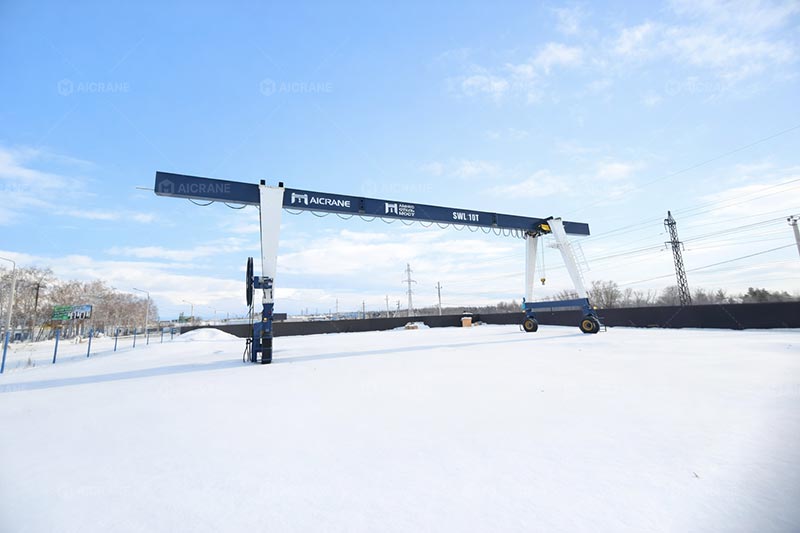
Why Winter Conditions Create Challenges for RTG Cranes
Effects of Freezing Temperatures on Mechanical Systems
Low temperatures significantly affect mechanical performance. Hydraulic oil becomes more viscous, reducing flow efficiency and slowing down lifting and traveling actions. Lubricants also thicken, increasing friction between moving parts.
As a result, components such as gears, bearings, and hoisting systems experience higher resistance, which can lead to increased wear and reduced operational smoothness.
Impact on Electrical Components and Control Systems
Electrical systems are highly sensitive to cold weather. Moisture inside control cabinets can freeze, leading to short circuits or unstable signals. Sensors may also become less accurate due to temperature fluctuations.
Advanced RTG cranes equipped with PLC control systems or remote operation systems may experience delayed responses or reduced reliability if proper heating and insulation are not applied.
Safety Risks Associated with Snow, Ice, and Wind
Winter environments introduce multiple safety hazards:
- Ice buildup on ladders, platforms, and structural beams
- Reduced tire traction on frozen or wet surfaces
- Strong wind gusts affecting load stability
- Low visibility during snowstorms or fog
These risks require strict operational control and preventive safety systems.
Selecting Cold-Weather-Ready RTG Crane Components
Low-Temperature Structural Steel
RTG cranes used in cold regions must be built with low-temperature resistant steel. This ensures structural toughness even under extreme freezing conditions and prevents brittle fracture caused by thermal stress.
Cold-Resistant Hydraulic Systems
Hydraulic performance is one of the most critical factors in winter operation. Cold temperatures increase oil viscosity, reducing system efficiency.
To solve this, modern RTG cranes use:
- Low-temperature hydraulic oil
- Hydraulic oil heating systems
- Insulated pipelines and tanks
- Temperature monitoring devices
These systems ensure stable pressure and smooth motion during cold starts.
Winter-Grade Lubricants
Standard lubricants lose effectiveness in freezing conditions. Winter-grade lubricants maintain fluidity at low temperatures, reducing friction and protecting mechanical components.
Key lubrication points include:
- Hoisting mechanisms
- Wheel assemblies
- Gear drives
- Trolley systems
Proper lubrication is essential for reducing cold-start wear.
Anti-Freezing Wire Rope Protection
Wire ropes are exposed to direct weather conditions and are prone to ice accumulation. Frozen ropes reduce flexibility and increase stress during lifting operations.
Protection methods include:
- Anti-freezing coatings
- Heated rope systems (advanced models)
- Regular de-icing maintenance
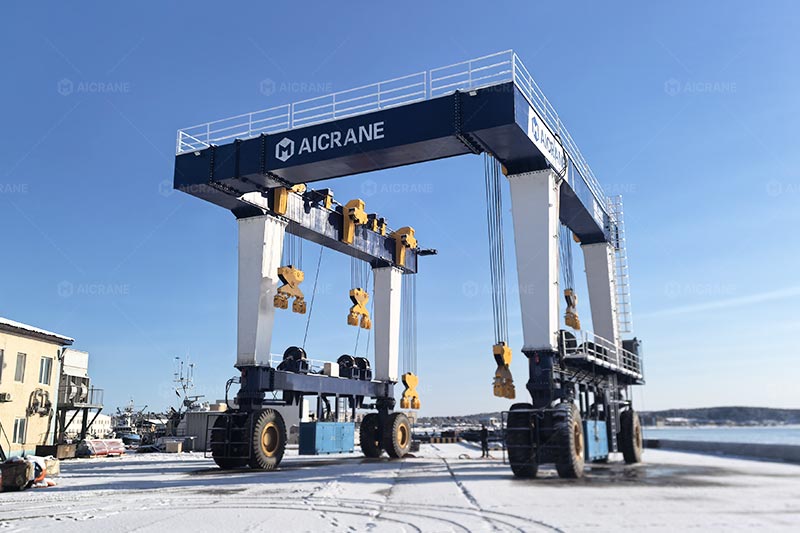
Protecting Electrical Systems in Sub-Zero Environments
Heated Electrical Cabinets
Electrical cabinets must be equipped with internal heating systems to maintain stable operating temperatures. This prevents condensation, freezing, and electrical failures.
Condensation Prevention Measures
Temperature fluctuations can cause condensation inside control systems. To prevent this, RTG cranes use:
- Sealed IP-rated enclosures
- Anti-condensation heaters
- Ventilation and humidity control systems
Cold-Weather Sensors and Monitoring Systems
Sensors used for load measurement, positioning, and safety protection must be calibrated for low-temperature performance to ensure accurate and reliable operation.
Preventing Ice and Snow Accumulation
Structural De-Icing Solutions
Ice buildup on gantry crane structures can affect safety and operation. Solutions include:
- Heating elements on key structural areas
- Anti-icing surface coatings
- Routine manual or automated de-icing
Runway and Travel Path Maintenance
RTG cranes rely on smooth travel surfaces. Snow or ice on ground rails or tire paths can cause instability. Regular cleaning and surface treatment are essential.
Spreader and Hoist Protection
The spreader system must remain functional in all weather conditions. Protective covers and heating systems help prevent freezing of hydraulic and locking components.
Improving RTG Crane Mobility During Winter
Maintaining Tire Performance in Freezing Temperatures
Cold temperatures reduce rubber flexibility, lowering traction and stability. Winter-optimized industrial tires or heated tire systems can improve performance.
Ground Surface Preparation
Proper yard maintenance is essential for safe mobility:
- Snow removal
- Anti-slip surface treatment
- Drainage system maintenance
Traction Control Technologies
Modern RTG mobile gantry cranes may include traction control systems that distribute torque evenly to reduce wheel slip on icy surfaces.
Wind Management Strategies for Winter Operations
Monitoring Wind Speed in Real Time
RTG cranes should be equipped with anemometers to continuously monitor wind speed. When wind exceeds safe limits, automatic alarms or shutdown systems should be activated.
Load Sway Prevention Systems
Strong winter winds increase load swinging risks. Anti-sway control systems help stabilize container movement and improve operational safety.
Emergency Storm Procedures
Operators should follow strict emergency protocols during severe weather, including securing loads, parking rubber wheeled gantry cranes in safe positions, and shutting down non-essential operations.
Operator Safety Measures for Cold-Weather Operations
Heated Operator Cabins
Operator comfort is essential for safe operation. Heated cabins improve concentration and reduce fatigue in extreme cold conditions.
Enhanced Visibility Systems
Winter weather reduces visibility. Solutions include:
- Heated windshield systems
- High-intensity LED lighting
- Anti-fog glass technology
Winter Safety Training Programs
Operators must be trained to handle winter-specific risks such as ice hazards, reduced braking performance, and emergency shutdown procedures.
Winter Maintenance Best Practices for RTG Cranes
Daily Inspection Procedures
Regular inspections should include:
- Hydraulic system checks
- Electrical cabinet monitoring
- Tire condition evaluation
- Ice accumulation removal
Preventive Maintenance Scheduling
Winter operation requires more frequent maintenance cycles to prevent sudden failures.
Critical Components Requiring Extra Attention
Key components include:
- Hydraulic pumps
- Electrical systems
- Brake systems
- Wire ropes
Benefits of Proper RTG Crane Winterization
Reduced Downtime
Proper winterization ensures continuous operation even in extreme cold conditions.
Improved Operational Safety
Safety risks caused by ice, wind, and mechanical failure are significantly reduced.
Extended Equipment Lifespan
Protecting components from cold stress reduces long-term wear and damage.
Lower Maintenance Costs
Preventive measures reduce emergency repairs and overall maintenance expenses.
Conclusion
Winter operation of Rubber Tyred Gantry cranes requires a comprehensive engineering approach that addresses mechanical, electrical, structural, and operational challenges. By implementing cold-resistant components, heating systems, anti-icing measures, and advanced monitoring technologies, RTG cranes can maintain stable and safe performance even in sub-zero environments.
For ports, industrial yards, and logistics operators, proper winter-proofing is not only a technical requirement but also a critical factor in ensuring productivity, safety, and long-term equipment reliability.