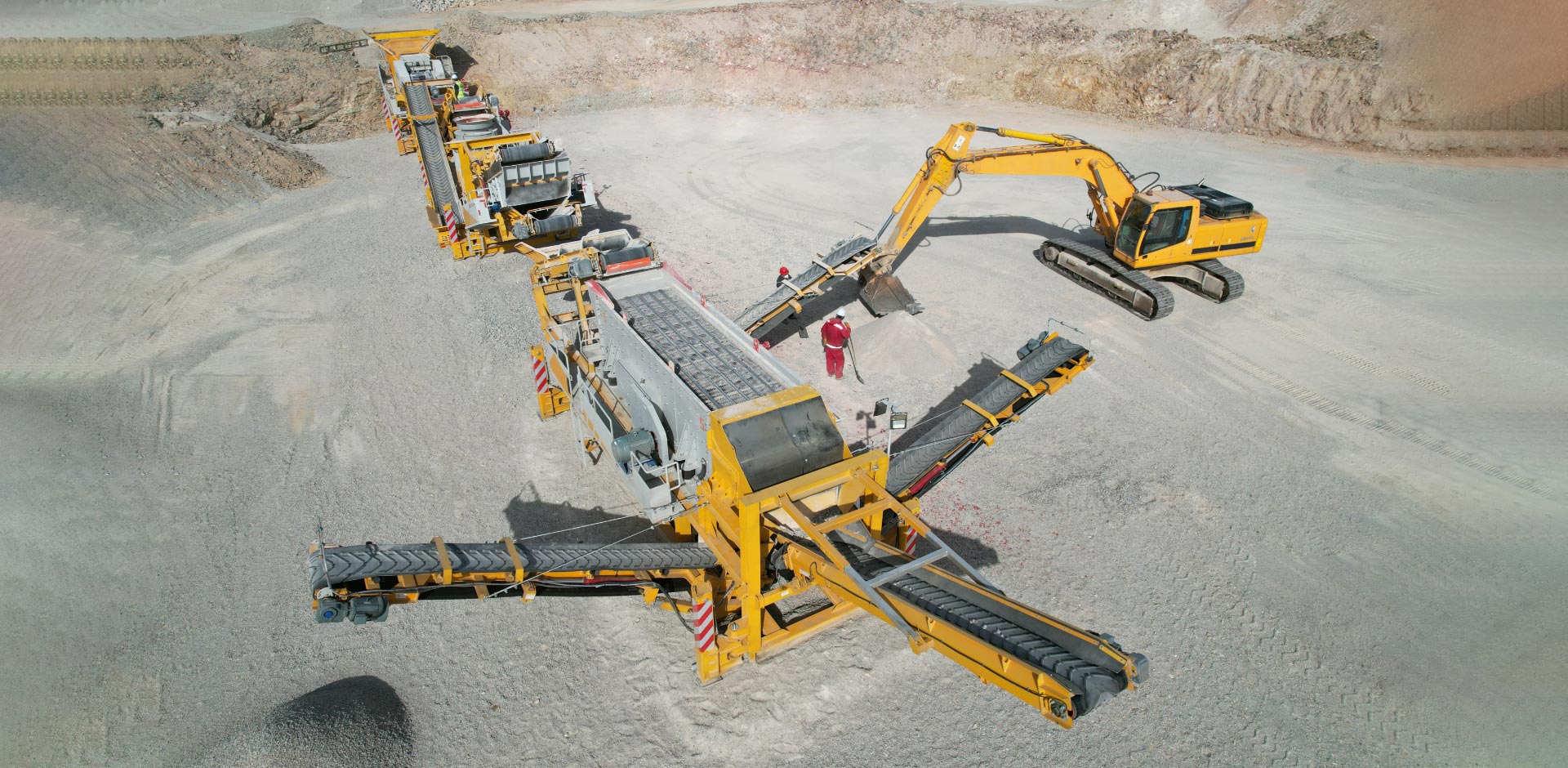
Let’s settle a long-standing debate in aggregate production right now: clinging to a static, fixed crushing plant in today’s dynamic market isn’t just old-fashioned—it’s a strategic blunder that quietly erodes your profitability. The industry has evolved, and the metrics for success now hinge on agility, precision, and operational sovereignty. If you’re still debating the merits of a mobile setup, you’re already falling behind. A 200-ton-per-hour (TPH) track crusher isn’t merely another piece of equipment to consider; it represents a fundamental upgrade to your entire operational philosophy. This machine sits in the perfect sweet spot of substantial output and unparalleled mobility, offering a compelling argument not just for incremental improvement, but for a complete reimagining of how you extract value from your resource. It’s time to move past the stationary mindset and embrace the machinery that matches the ambition of a modern quarry.
Unrivaled Operational Agility: Crushing Where It Counts
The single most transformative advantage of a tracked crusher is its liberation from geographical constraints. A fixed plant anchors your entire operation to one spot, dictating that every ton of material must undertake a costly journey to the crusher. This logistical tail is a silent profit killer.
The Death of Deadhead Hauls
With a 200 TPH tracked unit, you bring the mountain to Mohammed. The crusher can be driven directly to the active mining face, dramatically slashing, if not entirely eliminating, primary haulage by truck. This eradicates a massive line item: fuel for haul trucks, their maintenance, and the labor to operate them. The financial savings from reduced diesel consumption and lower equipment wear are immediate and substantial. Your cost-per-ton plummets because you are no longer paying to move unprocessed rock vast distances. This operational efficiency isn’t a minor gain; it’s a fundamental recalibration of your production economics.
Mastering the Terrain, Unlocking Reserves
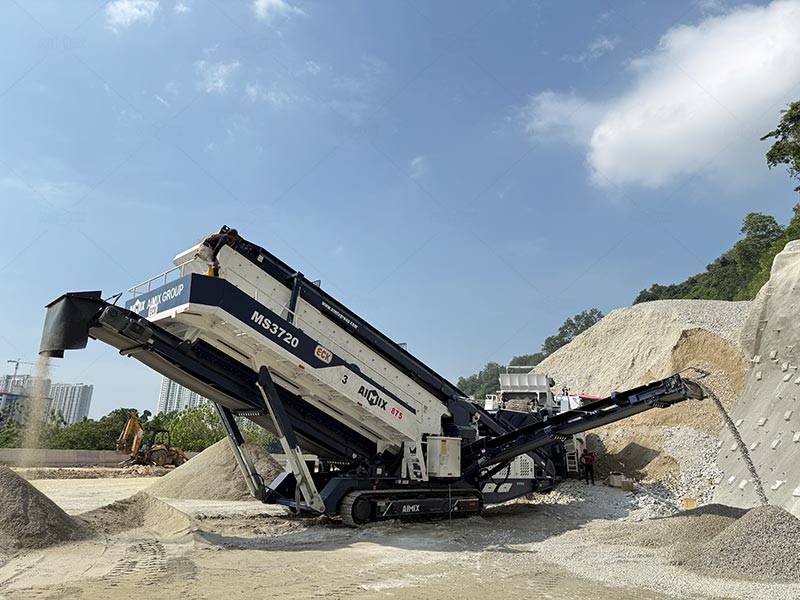
Tracked mobility isn’t just about convenience; it’s about resource maximization. Quarry topography is rarely a flat, perfect plane. You have benches, slopes, and pockets of resource that are economically challenging to access with a fixed plant setup. A tracked concrete crusher for sale, with its low ground pressure and robust undercarriage, can traverse this complex terrain to process material right where it lies. This capability allows you to exploit smaller, isolated deposits and efficiently clean up benches that would otherwise be written off as too costly to process, effectively increasing your mineable reserves without expanding your footprint.
Precision Production: The 200 TPH Sweet Spot for Market Responsiveness
Capacity is meaningless without context. A 200 TPH output is a strategically brilliant volume for the majority of mid-to-large aggregate operations, balancing high production with market-flexible operations.
Optimal Throughput Without Bloat
This capacity is powerful enough to supply major projects and maintain significant stockpiles, yet it avoids the immense capital outlay and constant high-volume demand required to justify a 500 or 600 TPH monster. A 200 TPH plant allows for profitable operation without the pressure to run at absolute maximum capacity every single day to cover exorbitant fixed costs. It provides the output needed to seize large opportunities while retaining the operational nimbleness to service smaller, specialized orders. This versatility is a critical buffer against market volatility.
Closed-Circuit Excellence and Product Diversification
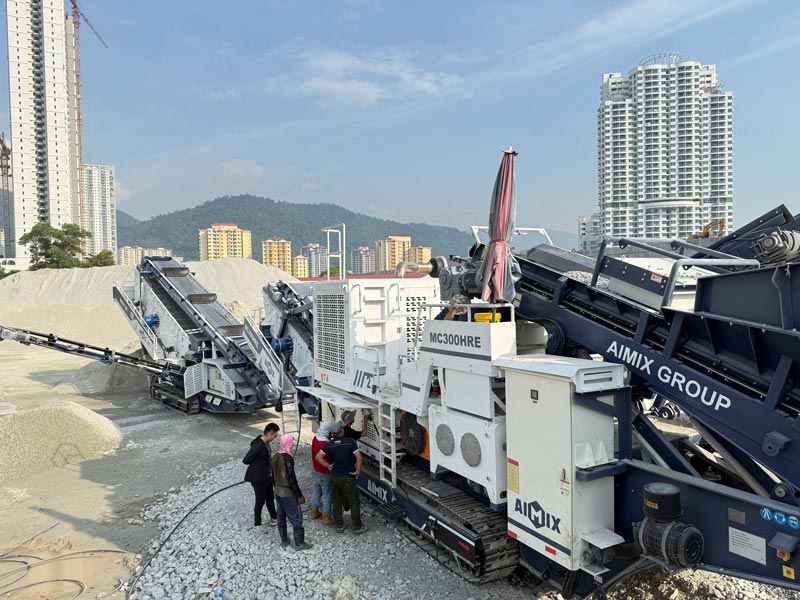
Modern 200 TPH tracked plants are rarely just crushers; they are integrated crushing and screening circuits. The ability to run in a closed-loop configuration—where material is continuously crushed, screened, and oversize recirculated—is a game-changer. It allows for the on-the-fly production of multiple, specification-grade products simultaneously. Need more concrete sand and less base course today? The machine can be adjusted to shift its product yield. This production dexterity lets you respond instantly to customer demand and market price fluctuations, maximizing revenue from every ton of raw stone fed into the hopper.
The Compounding ROI: More Than Just a Machine
Viewing the purchase 200 tph stone crusher plant price as the total cost is the oldest error in the book. The true return on investment for a 200 TPH tracked crusher is found in its compound financial benefits over a typical stationary system.
Reduced Capex and Site Infrastructure
Investing in a tracked mobile plant often requires a lower initial capital expenditure than engineering and constructing a comparable fixed plant with its extensive foundations, conveyor networks, and permanent infrastructure. The setup is faster, and the machine is your primary asset, not the concrete it sits on. This frees up capital and allows for quicker project commissioning and a faster path to revenue generation.
Future-Proofing and Residual Value
The tracked crusher is an asset that holds its value. At the end of a particular site’s life, or if your business strategy shifts, a well-maintained mobile unit can be relocated, sold, or redeployed with relative ease. A fixed plant is just that—fixed. Its value is intrinsically tied to the real estate it occupies. The mobility of the tracked mobile impact crusher provides a financial escape hatch and long-term security that a stationary plant can never offer. It is not a sunk cost; it is a versatile, high-value asset that provides both immediate operational superiority and long-term strategic optionality. In an industry defined by change, that’s the smartest investment you can make.