In the construction industry, asphalt mixing plant for sale play a pivotal role in ensuring road projects run smoothly and on schedule. However, even the most reliable asphalt plants can face downtime due to worn-out or missing spare parts. Knowing which spare parts are critical not only helps maintain consistent production but also reduces maintenance costs and prevents project delays. This guide will explore the essential spare parts for asphalt plants and provide practical insights for contractors and plant operators.
Understanding Asphalt Plant Operations
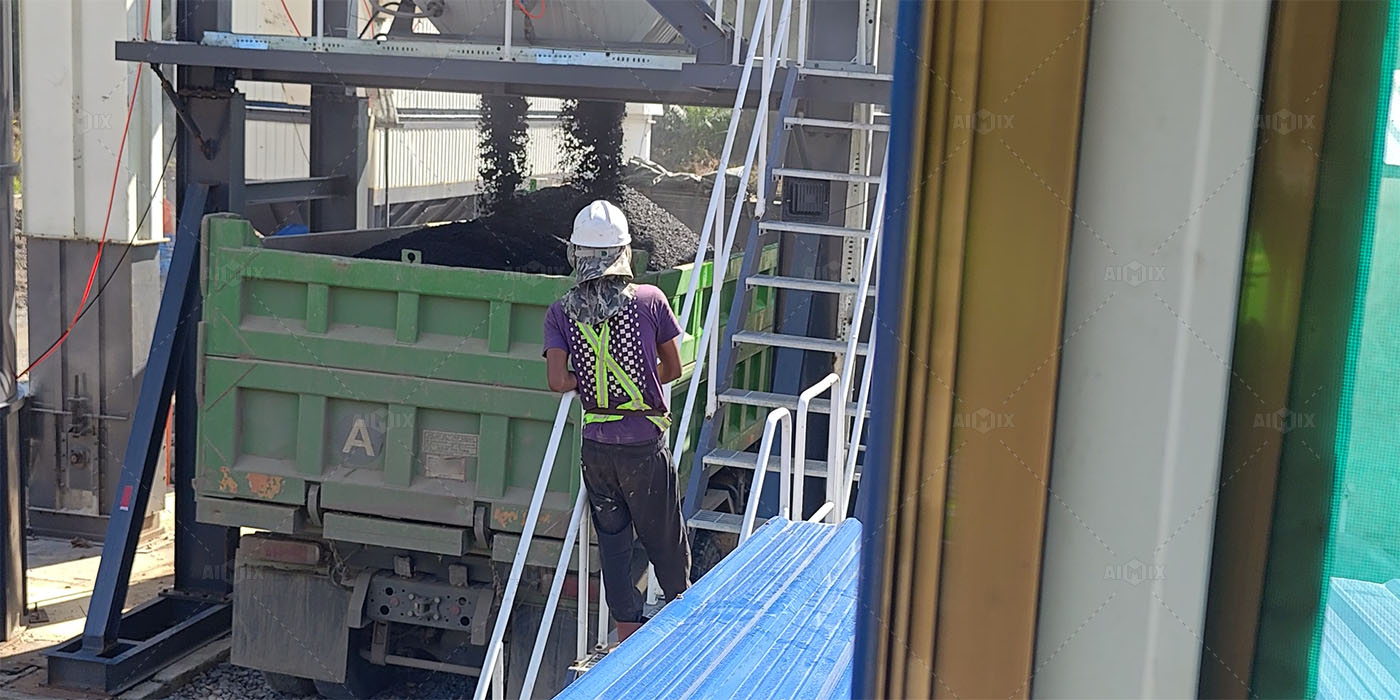
Before diving into the critical spare parts, it is important to understand how an asphalt plant functions. Typically, HMA plants mix aggregates, bitumen, and fillers at high temperatures to produce hot mix asphalt (HMA). The process involves multiple stages, including drying, heating, mixing, and storage.
Since each component plays a significant role in production, a malfunction in any part can disrupt the entire operation. Therefore, identifying which parts are most vulnerable or prone to wear is essential for keeping the plant running efficiently.

Key Categories of Critical Spare Parts
Spare parts in an asphalt plant can be broadly categorized into mechanical, electrical, and wear-resistant parts. Understanding each category helps contractors prioritize their inventory.
Mechanical Components
Mechanical components form the backbone of any asphalt plant. They include essential items such as:
- Drum Mixers: The heart of a asphalt drum mix plant. The mixer blades and the drum lining wear out over time due to constant friction and high-temperature materials.
- Aggregate Feeders: They regulate the flow of raw materials into the plant. Worn feeder belts or damaged hoppers can lead to inconsistent material feed and affect asphalt quality.
- Conveyor Belts: Used for transporting aggregates between sections. These belts are prone to wear, tearing, or misalignment, which can cause downtime if not replaced promptly.
Maintaining these mechanical components in good condition ensures smooth material flow and consistent production quality. Contractors should monitor the wear status and keep spare parts like belts, bearings, and mixer blades ready for replacement.
Wear-Resistant Components
Wear-resistant parts are critical because asphalt plants handle abrasive aggregates and high-temperature materials. Neglecting these parts can cause serious damage and lead to costly repairs.
- Drum Liners: Protect the mixer drum from abrasion. Regular replacement is necessary as worn liners reduce mixing efficiency and can damage the drum.
- Chute Liners: Aggregate chutes experience constant friction. Liners prevent wear and maintain a consistent flow of materials.
- Screening Plates: In batch plants, screens separate aggregates by size. Damaged screens affect product quality and may lead to rejected asphalt batches.
Wear-resistant parts require frequent inspection. Contractors often store these components in advance to avoid production interruptions, especially during peak construction seasons.
Electrical and Control Parts
Modern asphalt plants rely heavily on automation and control systems. Critical electrical components include:
- Sensors and Thermocouples: Monitor temperature, flow, and weight. Malfunctioning sensors can compromise asphalt quality and safety.
- Control Panels: Central units that manage operations. Spare control modules help restore functionality quickly if a fault occurs.
- Motors and Drives: Power essential equipment such as mixers, feeders, and conveyors. Keeping spare motors or drive belts reduces unexpected downtime.
Electrical failures can halt production immediately. Therefore, contractors must maintain a stock of critical electrical parts and ensure that technicians are trained for quick replacement.
Factors Influencing Spare Parts Selection
Not all spare parts are equally critical. Several factors influence which parts contractors should prioritize:
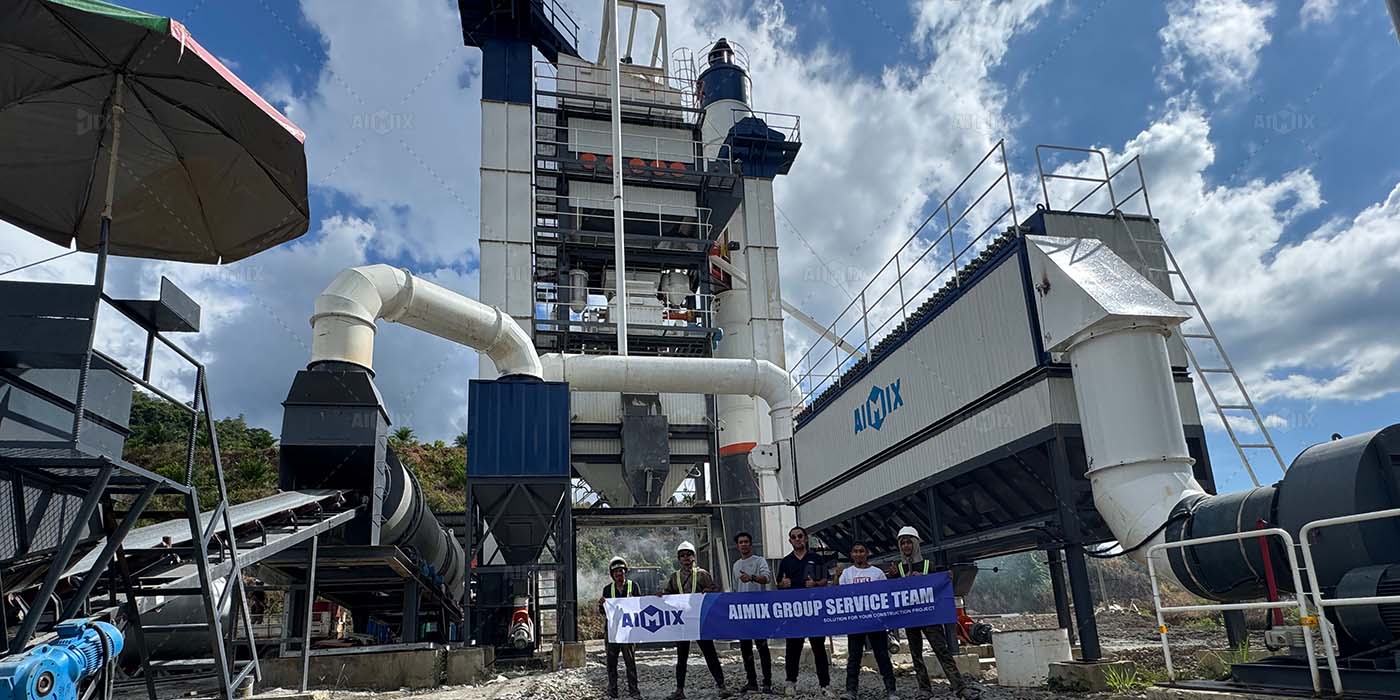
- Plant Type: Batch plants, drum mix plants, and mobile plants have different critical parts. For instance, drum mixers are more essential in drum mix plants, while screening plates are vital for batch plants.
- Production Volume: High-capacity plants wear parts faster. Plants producing 120–160 TPH may need more frequent replacement of drum liners and feeder belts than smaller plants.
- Material Type: Harder aggregates accelerate wear. Contractors working with river stones or basalt should prioritize abrasion-resistant spare parts.
- Project Schedule: Plants operating continuously for long-term government or commercial projects require a larger inventory of critical parts to avoid downtime.
By evaluating these factors, contractors can make informed decisions about which spare parts to stock and how many to keep on hand.
Best Practices for Spare Parts Management
Effective spare parts management reduces costs and prevents delays. Here are some best practices for asphalt plant operators:
Maintain an Inventory Log
Track usage patterns and replacement history. This helps predict which parts need to be restocked and prevents overstocking of rarely used components. Working with asphalt plant manufacturers can provide guidance on typical wear parts and recommended inventory levels.
Inspect Parts Regularly
Regular inspections of drum liners, conveyor belts, and sensors help identify wear early. Proactive replacement avoids unexpected breakdowns.
Plan for Seasonal Demands
During peak construction seasons, downtime can be costly. Stock up on critical parts before busy periods to avoid procurement delays.
Cost Considerations for Critical Spare Parts
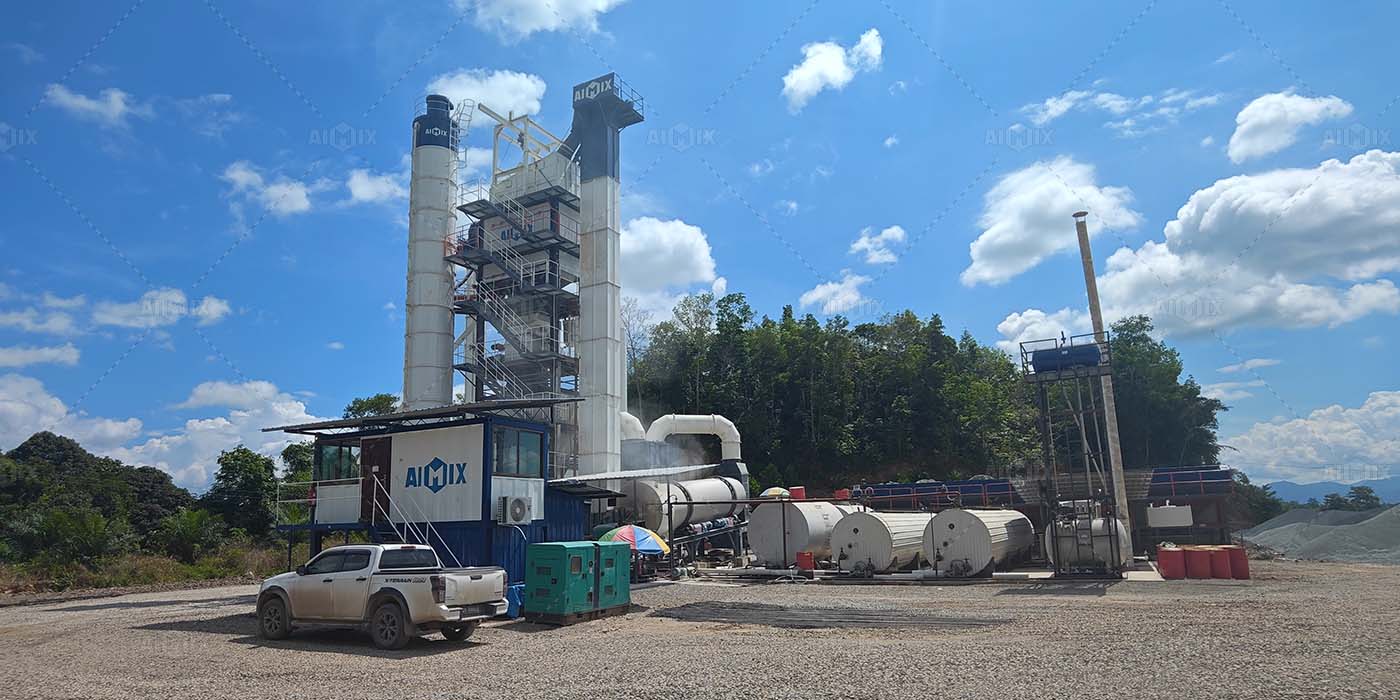
Spare parts are an investment in the reliability of your asphalt plant. While stocking too many parts can tie up capital, understocking increases the risk of downtime. Contractors should balance cost with operational needs by:
- Focusing on high-wear parts like drum liners, mixer blades, and conveyor belts.
- Keeping backup electrical components such as motors, sensors, and control modules.
- Considering aftermarket options that offer cost-effective alternatives without compromising quality.
Understanding the cost-to-benefit ratio helps ensure smooth operations while maintaining financial efficiency.
Conclusion: Ensuring Continuous Asphalt Production
Critical spare parts play a vital role in keeping asphalt plants operational, maintaining production quality, and preventing costly project delays. Contractors and plant operators should focus on mechanical, wear-resistant, and electrical components, keeping inventory based on plant type, production volume, and material characteristics.
By implementing proper spare parts management, regular inspections, and working with reliable suppliers, asphalt plant operators can minimize downtime and maximize efficiency. Ultimately, investing in the right spare parts ensures that every project stays on schedule and meets quality standards.
Call to Action
If you manage an asphalt plant or are planning a construction project, start evaluating your spare parts inventory today. Identify the components critical to your plant’s operation and partner with trusted suppliers for timely replacements. Reliable spare parts not only prevent delays but also protect your investment and enhance the overall efficiency of your asphalt production.