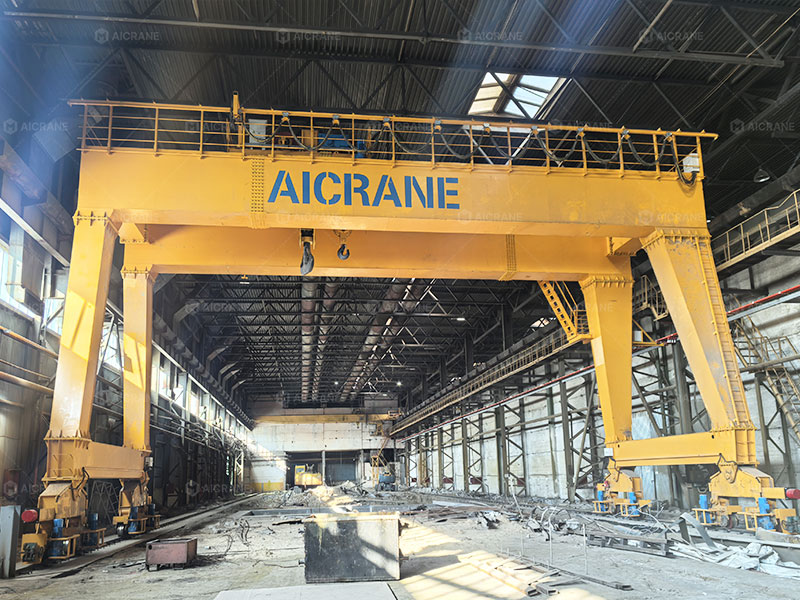
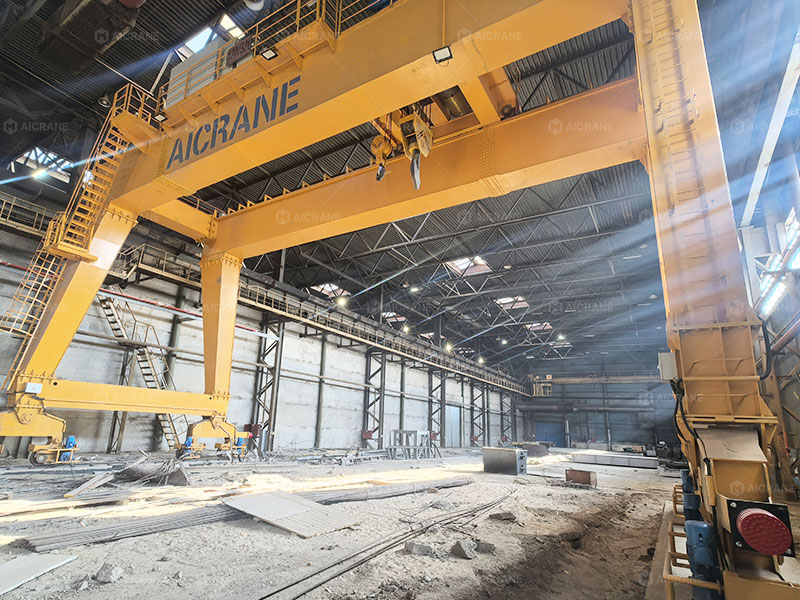
Gantry cranes are essential equipment in industrial workshops, facilitating the lifting and transport of heavy materials with efficiency and precision. While traditional crane design primarily focuses on load capacity, structural integrity, and operational efficiency, modern engineering increasingly emphasizes environmental considerations. Integrating environmental factors into gantry crane design is not only beneficial for compliance with regulations but also enhances operational longevity, reduces maintenance costs, and ensures safety for both personnel and the surrounding environment. This article explores the key environmental considerations in designing workshop gantry cranes.
1. Climate and Temperature Effects
Workshops may operate in varying climatic conditions, ranging from cold storage facilities to hot and humid industrial environments. Temperature fluctuations can significantly impact workshop gantry crane materials, mechanical components, and operational efficiency. For example:
-
Material Expansion and Contraction: Steel structures in gantry cranes expand in high temperatures and contract in low temperatures. Without proper design allowances, these changes can lead to structural stress, misalignment of rails, or failure of mechanical components.
-
Lubrication and Hydraulic Systems: Extreme cold can cause hydraulic fluids and lubricants to thicken, reducing efficiency and increasing wear on moving parts. Conversely, high temperatures can thin lubricants and increase the risk of overheating in motors and gear systems.
Designers often address these challenges by selecting climate-resistant materials, using temperature-stable lubricants, and incorporating thermal expansion joints in the crane structure. Additionally, electrical components may require insulation or cooling systems tailored to specific environmental conditions.
2. Dust, Particulate Matter, and Corrosive Environments
Industrial workshops, especially those involved in metal fabrication, woodworking, or chemical processing, often have high levels of dust, particulates, or corrosive agents. These environmental factors can compromise crane performance and longevity:
-
Dust Ingress: Dust and fine particles can infiltrate motors, gearboxes, and control systems, leading to overheating, abrasion, or electrical shorts.
-
Corrosion: In environments with high humidity, chemical exposure, or salt-laden air (common in coastal workshops), steel and other metal components are prone to rust and degradation. Corrosion weakens structural elements and increases the risk of crane failure.
Environmental considerations in such settings include the use of sealed and dust-resistant motors, IP-rated electrical enclosures, and corrosion-resistant materials such as galvanized steel, stainless steel, or protective coatings. Routine maintenance plans are also crucial to mitigate dust and corrosion accumulation.
3. Noise Pollution and Acoustic Design
Workshops often operate in populated or urban areas where noise pollution regulations are stringent. Large gantry cranes, particularly those with powerful motors and mechanical hoists, can generate significant operational noise. Excessive noise not only violates regulations but also impacts worker health and productivity.
Environmental design measures to reduce noise include:
-
Installing vibration-dampening components in the crane structure.
-
Using electric motors with quieter operation profiles.
-
Selecting hoists with smooth braking systems to avoid sudden, loud impacts.
-
Applying noise-reducing coatings to structural surfaces.
These considerations ensure compliance with occupational safety standards and improve the overall working environment for personnel.
4. Energy Efficiency and Carbon Footprint
Modern industrial design increasingly emphasizes sustainability. Gantry cranes, being energy-intensive equipment, present opportunities for energy optimization:
-
Variable Frequency Drives (VFDs): Incorporating VFDs allows crane motors to operate at variable speeds, reducing energy consumption during low-load movements.
-
Regenerative Braking: This technology captures energy during crane deceleration and feeds it back into the power grid, lowering overall energy consumption.
-
Efficient Structural Design: Optimizing the crane structure to reduce dead weight without compromising strength decreases motor load requirements and energy usage.
Considering energy efficiency in crane design not only lowers operational costs but also aligns with corporate sustainability goals and environmental regulations.
5. Indoor Air Quality and Ventilation
Workshops with enclosed spaces require attention to air quality, particularly if cranes are equipped with diesel engines or other combustion-based equipment. Exhaust emissions, dust, and airborne particles can accumulate, posing health hazards. Although most modern indoor gantry cranes use electric motors, workshops with mixed operations need to ensure adequate ventilation.
Environmental design strategies include:
-
Installing cranes with zero-emission electric motors.
-
Ensuring sufficient airflow around motor enclosures to prevent overheating.
-
Implementing dust extraction systems in conjunction with crane operation zones.
Maintaining indoor air quality improves worker health, complies with regulations, and prolongs the life of crane components by preventing contamination.
6. Rain, Snow, and Moisture Exposure
While workshop gantry cranes are generally indoor equipment, some workshops may be semi-enclosed or have open sections where cranes are exposed to precipitation. Moisture can accelerate corrosion, damage electrical components, and increase the risk of slipping hazards on rails and platforms.
Design solutions include:
-
Weatherproofing: Using sealed motors and IP-rated electrical components.
-
Drainage Systems: Ensuring water cannot accumulate on tracks or platforms.
-
Protective Coatings: Applying paints and coatings that resist moisture penetration and chemical attack.
Properly addressing moisture exposure ensures crane reliability and reduces long-term maintenance costs.
7. Waste Management and Environmental Compliance
Environmental considerations extend beyond crane operation to include maintenance and end-of-life disposal:
-
Lubricants and Oils: Using environmentally friendly lubricants reduces harmful emissions and contamination during maintenance.
-
Noise and Emission Regulations: Compliance with local environmental laws ensures workshop operations do not negatively impact the surrounding community.
-
Recyclable Materials: Designing cranes with recyclable steel or components reduces environmental impact when the crane reaches the end of its operational life.
Incorporating these principles from the design phase ensures that overhead gantry cranes meet environmental standards and reduce the ecological footprint of industrial workshops.
8. Safety as an Environmental Factor
Environmental considerations are closely tied to safety. Slippery floors, poor visibility, or contamination can increase the risk of accidents involving gantry cranes. Design elements that mitigate environmental hazards also enhance operational safety:
-
Non-slip walkway surfaces and maintenance platforms.
-
Adequate lighting around crane paths.
-
Sensors and limit switches to prevent collisions in areas with poor visibility.
By considering environmental factors as part of safety planning, workshops can reduce accidents and downtime.
Conclusion
Designing workshop gantry cranes with environmental considerations in mind is no longer optional; it is a necessity. From temperature and moisture to dust, noise, and energy efficiency, every environmental factor impacts the performance, safety, and longevity of cranes. Incorporating these considerations in the design phase ensures compliance with regulations, enhances operational efficiency, reduces maintenance costs, and improves the safety and well-being of personnel.
Engineers and workshop planners who prioritize environmental factors in gantry crane design not only create robust, efficient equipment but also contribute to sustainable industrial practices. As industries continue to embrace sustainability and worker safety, environmentally-conscious gantry crane design will remain a key component of modern industrial infrastructure.