24Operating a concrete plant in remote areas of Latin America presents unique challenges. Limited infrastructure, difficult terrain, and variable climate conditions can impact the efficiency and reliability of concrete production. Whether you are using a mobile concrete plant, a small concrete plant, or a full-scale ready mix concrete plant, ensuring smooth and continuous operation requires careful planning, preventive maintenance, and efficient management of resources.
Understanding the Challenges of Remote Operations
Before implementing solutions, it is crucial to understand the main obstacles faced by concrete plants(planta de hormigón) in remote areas:
Logistical and Transportation Difficulties
Remote locations often suffer from poor road conditions and limited transport options. Delivering raw materials like cement, sand, aggregates, and additives can be inconsistent, affecting the production schedule. Mobile concrete plants can alleviate some of these challenges, as they can be transported closer to construction sites, reducing dependency on long-distance logistics.
Limited Access to Skilled Labor
Skilled operators and maintenance personnel may not always be available in remote areas. Small concrete plants, in particular, may struggle if the workforce lacks proper training in equipment operation and safety standards. This makes staff training and remote support critical for maintaining operational stability.
Power Supply and Infrastructure Issues
Remote sites often experience irregular electricity supply or lack sufficient infrastructure. Concrete plants, especially ready mix concrete plants, require stable power to maintain mixer performance, control systems, and other equipment. Unstable power can lead to downtime, inconsistent mix quality, and even mechanical failures.
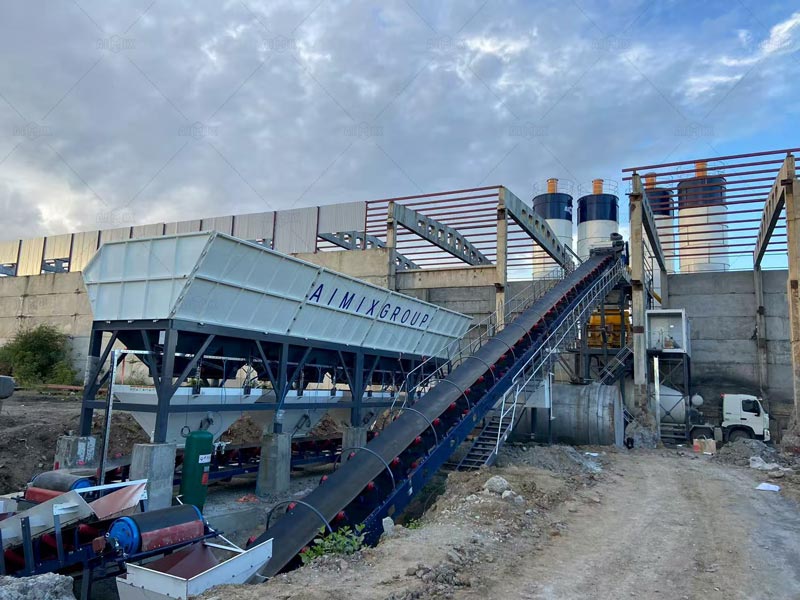
Strategies for Stable Operation
Once challenges are identified, implementing strategies to ensure smooth operation becomes a priority. These strategies include equipment selection, preventive maintenance, workforce management, and logistics planning.
Choosing the Right Type of Concrete Plant
Selecting an appropriate concrete plant is the foundation for stability in remote operations. Consider the following:
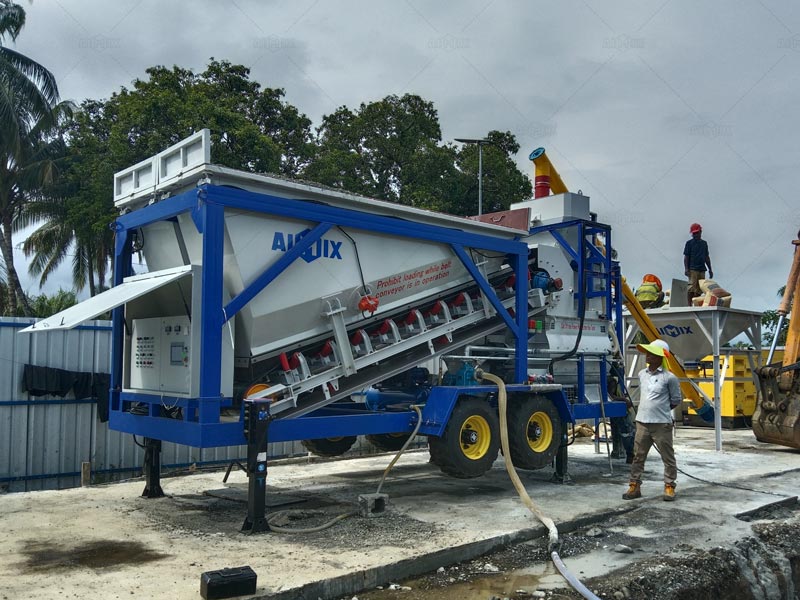
- Mobile Concrete Plant(planta de hormigón movil): Ideal for areas with limited road infrastructure. These plants are designed for easy relocation and can be set up near construction sites, minimizing transportation issues.
- Small Concrete Plant: Suitable for smaller projects or sites where a full-scale ready mix concrete plant is impractical. Small concrete plants are easier to manage and maintain, which is crucial when technical support is limited.
- Ready Mix Concrete Plant: Provides consistent mix quality and higher production capacity, making it suitable for larger projects. However, they require stable power and reliable material supply, which must be considered in remote areas.
Ensuring Consistent Supply of Raw Materials
The stability of a concrete plant heavily depends on the continuous supply of raw materials. Steps to manage this include:
- Material Storage: Stockpile essential materials on-site to mitigate supply disruptions. For remote areas, maintaining a buffer of aggregates and cement ensures production continuity.
- Reliable Suppliers: Partner with local suppliers who understand the terrain and can provide timely deliveries.
- Quality Control: Consistent material quality is crucial for concrete strength and durability. Regular testing of aggregates and cement ensures stable mix performance.
Implementing Preventive Maintenance Programs
Preventive maintenance is essential to avoid unexpected breakdowns. For all types of concrete plants, including mobile and small concrete plants, a structured maintenance program should include:
- Routine inspections of mixers, conveyors, and batching systems.
- Lubrication and cleaning of moving parts to prevent wear and tear.
- Regular calibration of scales and dosing systems to maintain mix accuracy.
- Timely replacement of worn-out components, especially for plants operating in harsh climates or dusty conditions.
Optimizing Power Supply and Equipment Efficiency
Remote areas often face unstable power, so it is crucial to implement measures that ensure uninterrupted operation:
- Backup Generators: Installing reliable generators ensures continuous production even during electricity outages.
- Energy-Efficient Equipment: Modern concrete plants are designed to consume less power while maintaining output. Choosing energy-efficient mixers and conveyors reduces operational risks in areas with variable power supply.
- Surge Protection: Electrical surges can damage sensitive control systems in ready mix concrete plants. Using surge protectors and stabilizers protects the plant’s electronic components.
Workforce Training and Remote Support
Skilled labor is critical for plant stability, especially in remote locations where immediate technical support may not be available.
Staff Training
Operators should receive thorough training in plant operation, safety procedures, and emergency protocols. For mobile and small concrete plants(planta de concreto pequeña), cross-training staff in both operation and basic maintenance can reduce downtime and improve productivity.
Remote Monitoring and Support
Technology can bridge the gap in remote areas. Many modern concrete plants, including ready mix concrete plants, come with remote monitoring systems that track production, machine health, and material usage. Remote technical support allows troubleshooting without requiring an on-site technician, which is invaluable in areas far from service centers.
Environmental Considerations
Remote sites may face environmental constraints that affect concrete production. Managing these factors is important for stable operation:
Temperature Control
High temperatures or extreme cold can affect the curing and quality of concrete. Implementing temperature control measures, such as shaded areas for material storage or heated water for cold climates, helps maintain consistent concrete properties.
Dust and Water Management
Dust control reduces equipment wear and improves worker safety. Water management ensures a consistent water-to-cement ratio, crucial for maintaining concrete quality. Mobile concrete plants often include dust suppression systems to handle these challenges effectively.
Scheduling and Production Planning
Effective planning can prevent operational bottlenecks and maximize productivity. Key considerations include:
- Batch Scheduling: Plan concrete batches based on project demand and material availability to avoid interruptions.
- Transport Coordination: For ready mix concrete plants(planta de concreto premezclado), coordinate truck schedules to minimize delays between mixing and delivery.
- Maintenance Windows: Allocate time for preventive maintenance without affecting production schedules.
Case Study: Successful Remote Operations
In northern Chile, a mobile concrete plant was deployed to a remote mining site. The project faced extreme temperatures, limited road access, and irregular power supply. The plant achieved stable operation by:
- Using a mobile concrete plant to reduce transportation dependency.
- Stockpiling essential raw materials on-site.
- Installing backup generators and surge protectors.
- Providing on-site training and remote monitoring for operators.
The result was consistent production of high-quality concrete, meeting project deadlines without major interruptions.
Conclusion: Building Reliability in Remote Areas
Operating concrete plants in remote areas of Latin America is challenging but achievable with careful planning and management. Selecting the right type of plant—whether a mobile concrete plant, small concrete plant, or ready mix concrete plant—is the first step. Ensuring consistent supply of raw materials, implementing preventive maintenance, stabilizing power supply, and training staff are equally critical. Modern technology, including remote monitoring, further enhances reliability. By adopting these strategies, companies can maintain stable and efficient concrete production, even in the most remote and demanding environments.