Efficient material handling is one of the most critical factors in running a successful RMC plant business. In the production of high-quality concrete, aggregates and cement must be delivered, weighed, and mixed precisely to maintain consistency and meet project specifications. The design and selection of aggregate and cement handling systems not only affect the quality of concrete but also have a direct impact on operational efficiency and overall RMC plant cost. For construction companies aiming to maximize profitability, investing in the right handling systems is essential.
Importance of Proper Aggregate and Cement Handling
Aggregates—including sand, gravel, and crushed stone—make up approximately 60-75% of the concrete volume. Any variation in aggregate size, moisture content, or quantity can lead to inconsistent concrete quality. Similarly, accurate cement handling ensures the correct water-to-cement ratio, which is crucial for concrete strength and durability.
Advanced aggregate and cement handling systems streamline material flow, reduce manual labor, minimize wastage, and improve overall plant efficiency. This is particularly important for high-capacity plants, such as ready mix concrete plant in Bangladesh, where consistent production and reliability are key to meeting tight project deadlines.
Key Components of Handling Systems
-
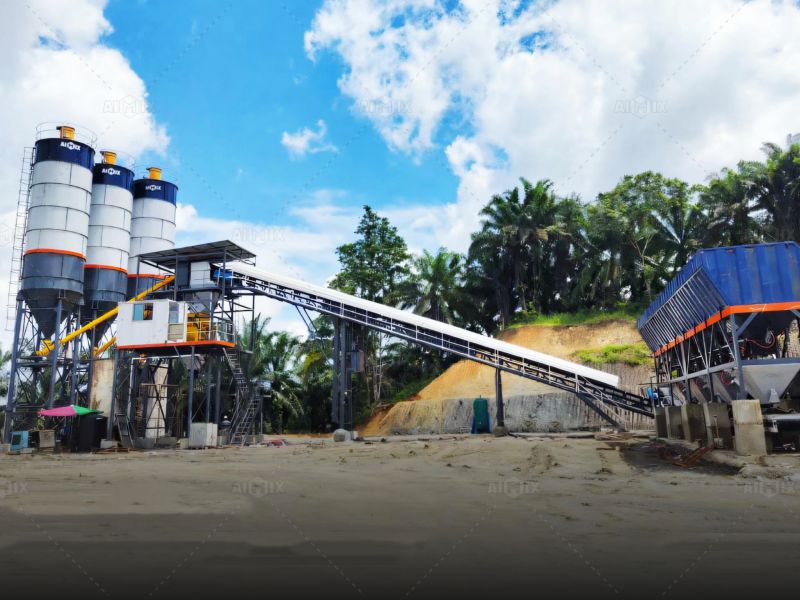
Aggregate Bins and Silos: Properly designed aggregate bins allow for segregation and storage of different aggregate sizes. Multiple bins facilitate batch-wise feeding into the plant, ensuring precise proportioning. Cement silos, on the other hand, store large quantities of cement and supply it to the weighing system through screw conveyors or pneumatic systems.
-
Conveying Systems: Efficient conveyor belts, bucket elevators, or pneumatic conveyors move materials from storage to the mixer. Selecting the right type of conveyor reduces spillage, dust, and material degradation, all of which directly affect concrete quality and plant efficiency.
-
Weighing and Dosing Systems: Electronic or load-cell-based weighing systems guarantee precise measurement of aggregates, cement, and additives. Accurate dosing minimizes material wastage and ensures that every batch of concrete meets design specifications, thereby reducing rework and operational costs.
-
Dust Collection and Environmental Controls: Dust generated during cement and aggregate handling can harm workers and reduce operational efficiency. Modern ready mix concrete plant suppliers integrate dust collectors, bag filters, and water spray systems to maintain a clean and safe working environment, ensuring compliance with environmental regulations.
Optimizing RMC Plant Cost Through Efficient Material Handling
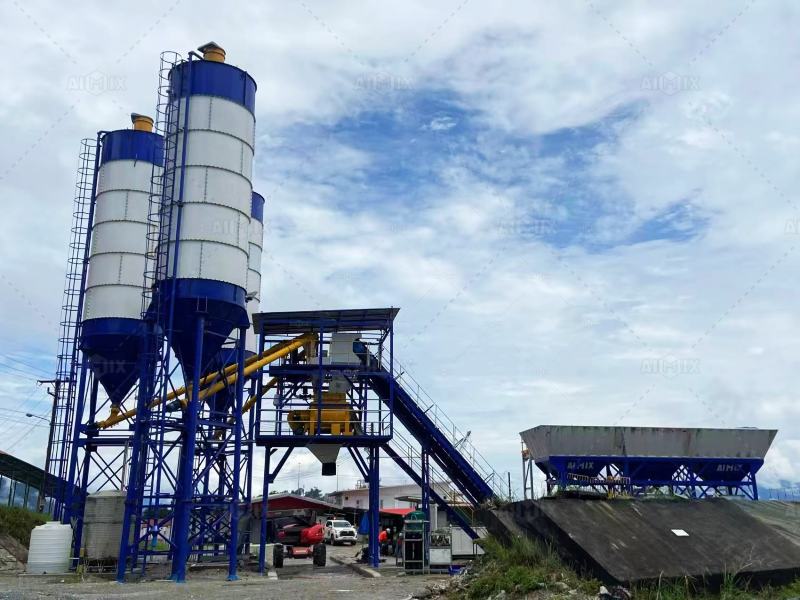
Choosing the right handling systems significantly impacts the RMC plant cost. Efficient equipment reduces labor costs, minimizes material wastage, and allows for faster, more consistent production. For instance, using automated conveyors and weighing systems can reduce dependency on manual labor, lower error rates, and cut down the time needed to process each batch.
In addition, optimized handling systems extend equipment lifespan. Properly designed conveyors, bins, and feeders reduce wear and tear caused by friction and heavy loads. This results in lower maintenance costs, fewer unplanned downtimes, and ultimately a lower cost per cubic meter of produced concrete.
Role in the RMC Plant Business
For operators in countries like Bangladesh, the RMC plant business is highly competitive, and efficiency often determines profitability. Proper aggregate and cement handling systems allow plants to produce high-quality concrete consistently, fulfilling contracts on time and maintaining customer satisfaction. This reliability is crucial when bidding for large-scale projects, as contractors prefer suppliers with a proven track record of consistent quality and timely delivery.
Moreover, effective handling systems support scalability. As demand grows, a plant equipped with advanced conveyors, silos, and dosing systems can easily increase production without major overhauls, ensuring sustainable business growth.
Selecting the Right Supplier
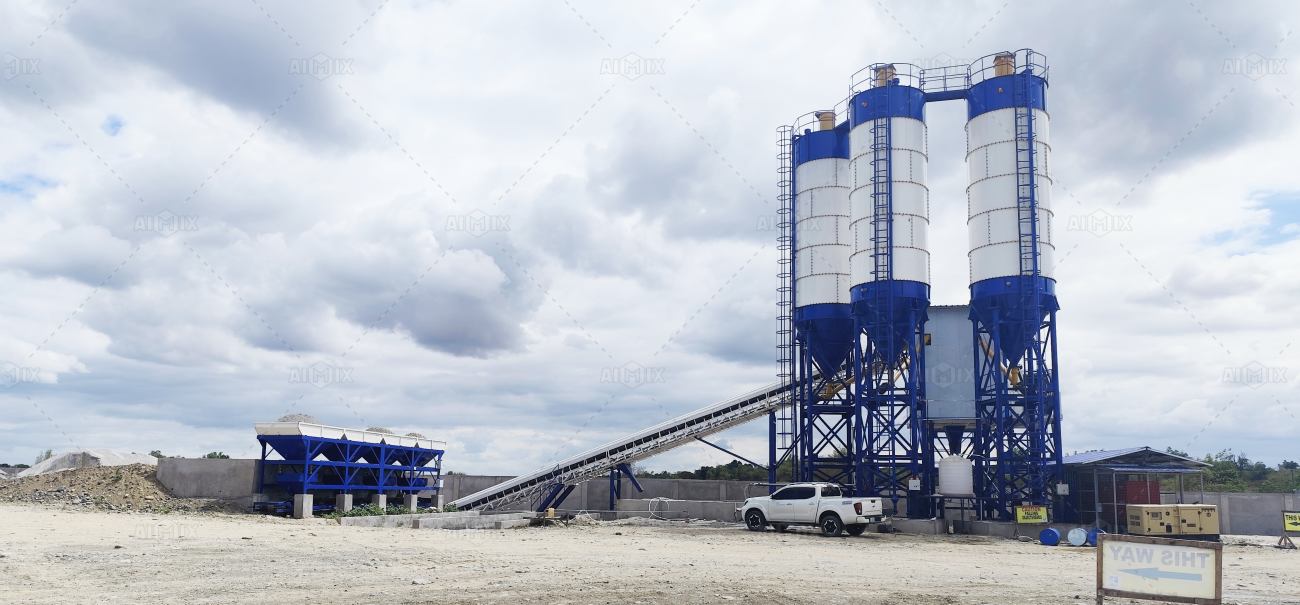
The choice of ready mix concrete plant suppliers plays a significant role in the efficiency of aggregate and cement handling systems. Experienced suppliers offer equipment tailored to specific project requirements, considering factors like plant capacity, aggregate types, climate conditions, and local regulations. They can provide turnkey solutions, including installation, training, and maintenance support, ensuring that handling systems operate at peak efficiency from day one.
When evaluating suppliers, it is essential to consider:
-
Equipment reliability and durability
-
Automation features and integration capabilities
-
After-sales support and availability of spare parts
-
Compliance with environmental and safety standards
Case Example: Ready Mix Concrete Plant in Bangladesh
In Bangladesh, rapid urbanization and infrastructure development have increased demand for ready-mix concrete. Operators investing in modern ready mix concrete plant in Bangladesh with advanced aggregate and cement handling systems have reported significant improvements in concrete consistency, reduced material wastage, and lower operational costs. Automated conveyors, high-capacity silos, and precise dosing systems have enabled these plants to meet growing demand efficiently while maintaining profitability.
Conclusion
Choosing the right aggregate and cement handling systems is critical for optimizing RMC plant cost and ensuring high-quality concrete production. Efficient storage, conveying, and dosing not only enhance concrete consistency but also reduce labor, maintenance, and material costs, directly impacting the success of an RMC plant business.
For operators in competitive markets like Bangladesh, partnering with reputable ready mix concrete plant suppliers ensures access to advanced technology, reliable support, and tailored solutions that meet both production and budgetary goals. By investing in the right handling systems, concrete producers can achieve operational efficiency, consistent product quality, and sustainable business growth.